Sustainability
Employee Support
Labor Practices
Pupuk Indonesia is committed to supporting the achievement of the Sustainable Development Goals by ensuring the well-being and health of all employees, as well as protecting all workers from any form of excessive exploitation to create a decent, healthy, and sustainable work environment.
To ensure that the company’s labor practices comply with applicable laws and regulations as well as internal policies, Pupuk Indonesia has several initiatives, including but not limited to:
- Regular Wage Review and Adjustment
- Monitoring of Working Hours and Overtime Management
- Fair Overtime Compensation and Adequate Rest Periods
- Compensation Equality
- Annual Leave Rights
Pupuk Indonesia periodically reviews and adjusts wages to ensure that compensation remains competitive and fulfills the principle of Decent Living Needs (KHL) as stipulated in laws and regulations. Wage adjustments are made by considering regional conditions, inflation rates, and employee performance. This step reflects Pupuk Indonesia’s commitment to supporting the Sustainable Development Goals by providing fair, decent, and sustainable income for all employees.
Pupuk Indonesia consistently monitors employee working hours, including overtime management, to ensure that working time does not exceed the limits set by laws and company policies. Monitoring is conducted regularly and reported through the Overtime Performance Report, which serves as the basis for evaluating the effectiveness of working hours and employee performance. This policy demonstrates Pupuk Indonesia’s commitment to protecting workers from excessive working practices while ensuring the healthy, productive, and sustainable utilization of human resources.
The company ensures that employees who work beyond regular hours receive fair overtime compensation and adequate rest periods in accordance with applicable laws and company regulations.
The company consistently monitors and ensures compensation equality for all employees, regardless of gender or other backgrounds. A calibration mechanism is applied in every annual compensation adjustment to guarantee transparency, fairness, and to prevent any form of discrimination in wage distribution. This commitment is aligned with fair human resource management principles and supports the implementation of diversity, equity, and inclusion (DEI) values.
The company is committed to ensuring that all employees can exercise their annual leave rights in accordance with applicable regulations, as part of efforts to maintain work-life balance and employee well-being. To support this, the company enforces a policy that guarantees no unjustified restrictions or rejections from superiors regarding leave applications.
Employee Nationality
Indonesia is a country rich in ethnic and cultural diversity. Pupuk Indonesia, whose operational areas are spread throughout the country, has a total of approximately 7.700 employees, all of whom are Indonesian citizens and come from various ethnic groups.
Gender Diversity
Pupuk Indonesia believes that diversity and inclusion are key to achieving sustainable success. As part of our commitment to support diversity, we continue to strive to increase the participation of women in various levels of management and STEM (Science, Technology, Engineering, and Mathematics) fields.
The role of women in Pupuk Indonesia's management continues to grow along with the improvement of gender equality throughout the organization. Currently, women have filled several key positions in leadership, contributing significantly to the company's strategic decision-making. By continuing to provide career development opportunities and support, we are optimistic that the role of women in management will continue to increase in the future.
In STEM fields, which men traditionally dominate, Pupuk Indonesia has also increased female participation. We encourage women to explore technology, engineering, and science careers through various training, development, and empowerment initiatives.
Through this initiative, Pupuk Indonesia is committed to continuously supporting and promoting diversity in the workplace, creating an equal environment for all, and realizing the full potential of all our employees regardless of gender.
Data on female employees by position at Pupuk Indonesia Group:
- Percentage of female BOD-1 in PI Group = 17,65%
- Percentage of female BOD-2 in PI Group = 18,35%
- Percentage of female BOD-3 in PI Group = 48,57%
- Percentage of female BOD-4 in PI Group = 20,00%
- Percentage of female BOD-5 in PI Group = 45,16%
- Overall percentage of women involved in PI Group management = 26.87%
Female employee data by position at Pupuk Indonesia Group:
- Percentage of women in revenue-generating positions = 16.67%
- Percentage of women in STEM categories = 19.42%
Employee Training
In supporting the achievement of World Class Human Capital, Pupuk Indonesia consistently enhances employee skills, knowledge, and competencies while providing growth opportunities to drive both professional development and increased performance and contributions to the company. This is achieved through leadership training programs, coaching & mentoring, in-house & public training, certification programs, and study assignments.
Training and Development Programs by Age Group
Pupuk Indonesia is committed to supporting the development of employee competencies and careers through continuous training and development programs. These programs are designed not only to strengthen technical and managerial capabilities but also to ensure inclusivity by taking into account diversity in age, background, and career stage of each employee.
Pupuk Indonesia is dedicated to providing equal development opportunities for all employees, whether under fixed-term (PKWT) or permanent (PKWTT) contracts. All employees have access to training and competency development programs according to their roles and work units. In the current year, 23 PKWT employees have participated in training programs to enhance their skills and capabilities. This initiative reflects the principles of inclusivity, fairness, and equality in human resource management, while also supporting the achievement of the Sustainable Development Goals by improving capacity, ensuring fair career opportunities, and fostering continuous contributions to the advancement of the company and employee well-being.
These efforts not only enhance individual capabilities but also strengthen the company’s competitiveness, increase employee engagement, and support the realization of sustainable business performance within the Pupuk Indonesia Group.
With this consistency, Pupuk Indonesia aspires to create outstanding talents capable of addressing future industry challenges, safeguarding national food security, and supporting the company’s transformation targets toward becoming a world-class enterprise
Support Facilities
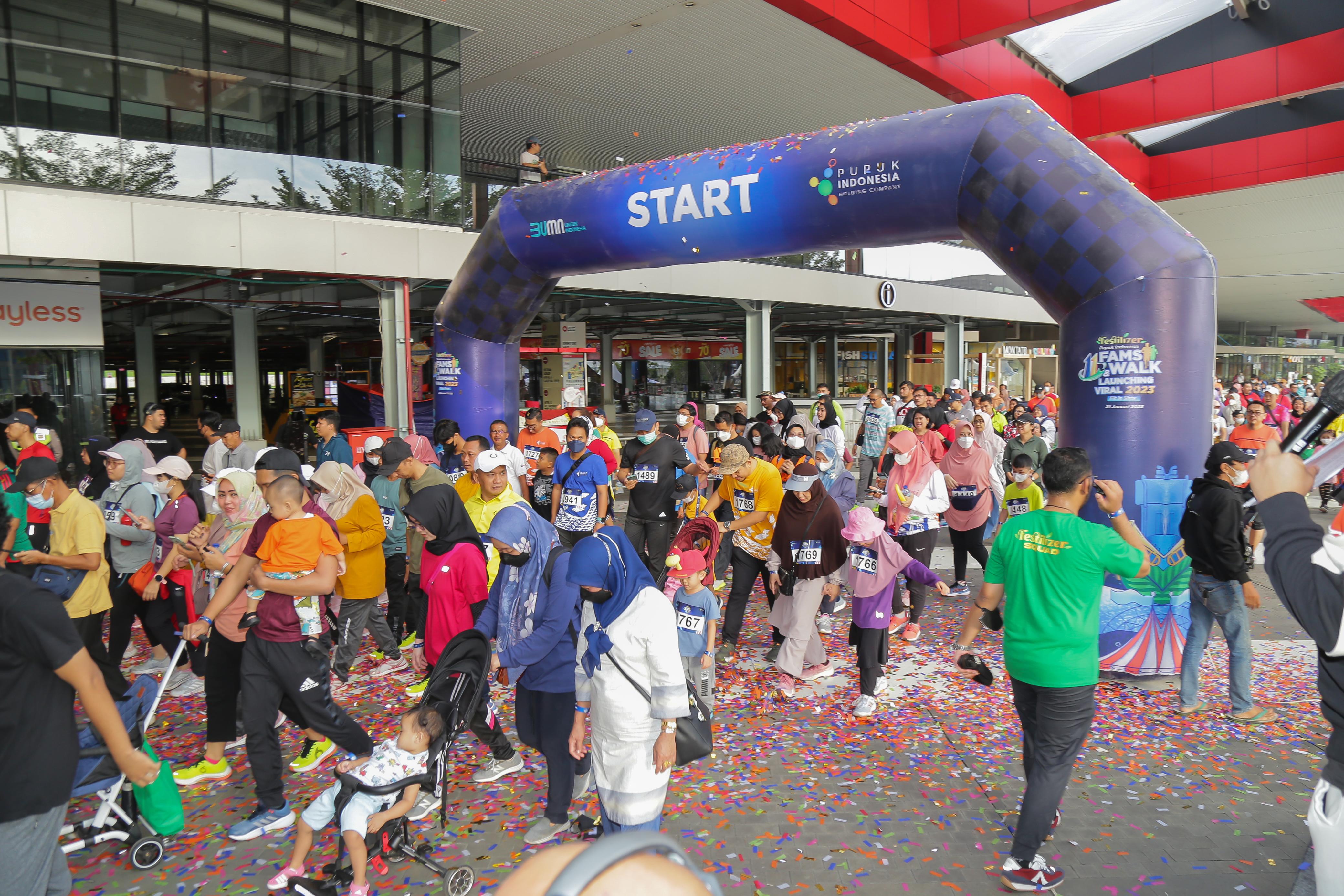
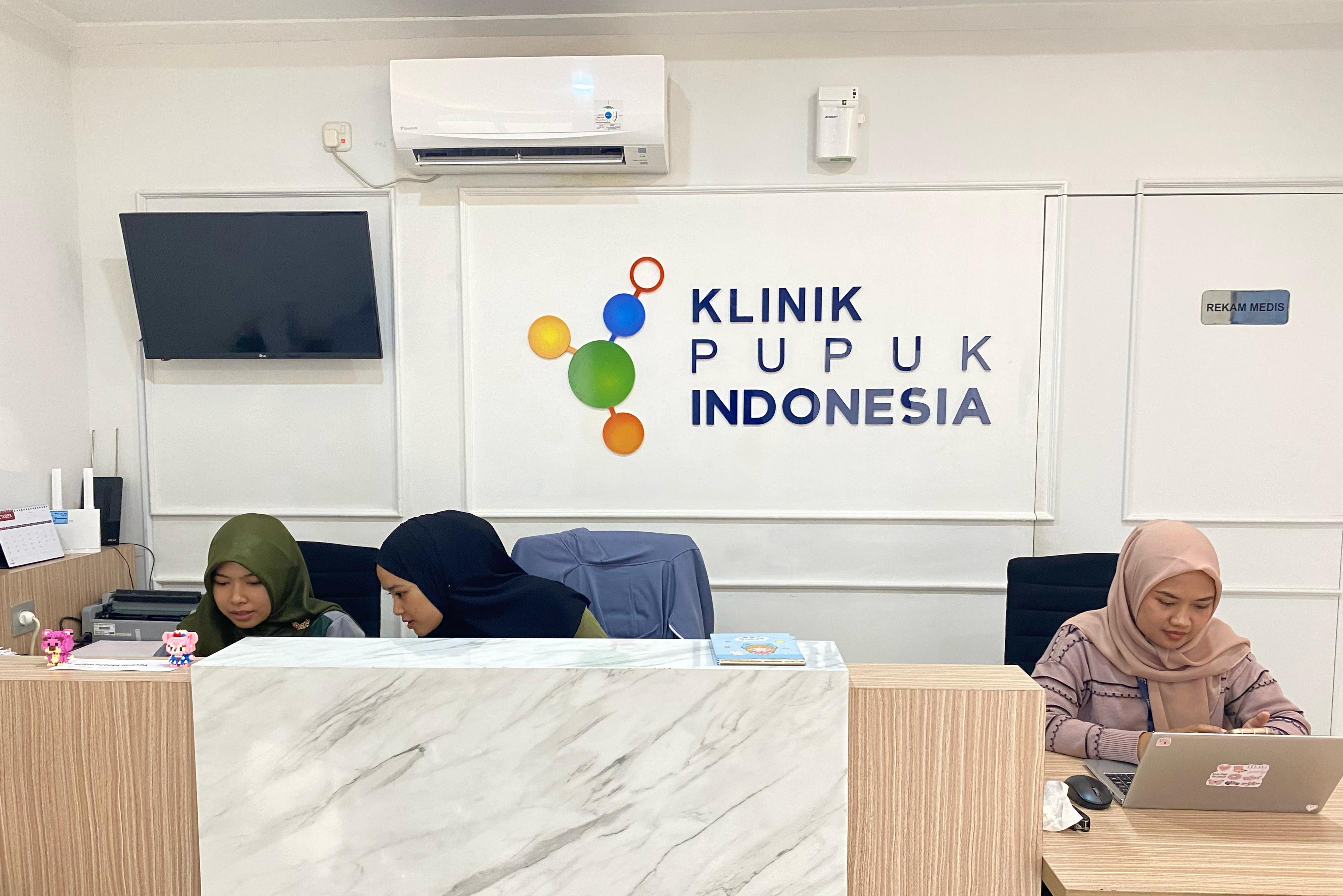
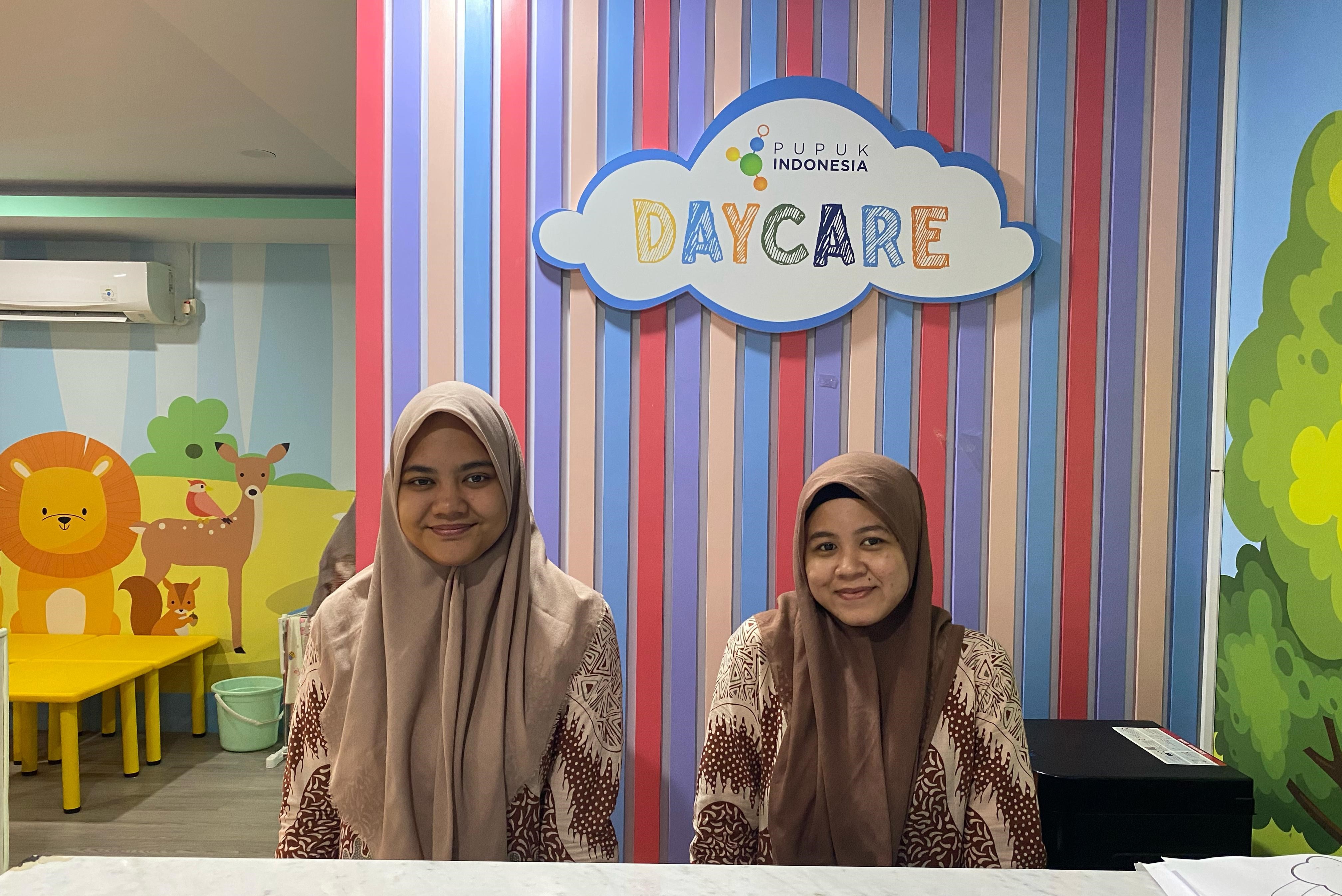
Pupuk Indonesia places employee health and well-being as the main pillar in creating a productive and harmonious work environment. We provide work facilities that are clean and safe and support employees' mental and physical well-being. To help employees balance their professional and personal lives, the Company implements flexible working hours, including a Work From Home (WFH) system. In addition, supporting facilities such as lactation rooms and childcare are available to support the convenience of employees, especially parents. The Company also encourages employees’ physical health and mental health through health socialization in print media, health webinars/seminars, and the VIRAL (Virtual Running, Walking, and Cycling) program, as well as employee Sports Communities, including Diving, Running, Riding, Golf, Bicycle, Tennis, Basketball, Soccer, and others. These efforts aim to maintain employees’ physical and mental health, increase productivity, and support the sustainability and growth of the company.
Respectful Workplace Policy
Pupuk Indonesia's commitment to the Respectful Workplace Policy (RWP) aligns with the Circular Letter from the Minister of State-Owned Enterprises No. SE-3/MBU/04/2022, which Pupuk Indonesia has ratified through the RWP guidelines policy PI-SDM-PD-009. The Respectful Workplace Policy emphasizes the importance of ethical behavior, equal opportunities, and the protection of employee rights, ensuring that each individual can work in a supportive environment, free from discrimination, harassment, or unsafe conditions. Under this policy, Pupuk Indonesia is committed to:
- Strictly prohibits all forms of sexual and non-sexual harassment, whether in daily interactions, written communications or in any context in the work environment.
- Zero tolerance for discrimination based on race, religion, gender, sexual orientation, age, disability, or other background, and strict disciplinary action be taken against individuals found to have committed harassment or discrimination.
- Raising awareness, providing a deep understanding of unacceptable behavior, and ways to report incidents of harassment and discrimination.
All employees are required to report incidents of harassment and discrimination directly to their supervisor or through anonymous reporting channels, with assurances of confidentiality and protection from retaliation.
Employee Performance Evaluation
Pupuk Indonesia implements an integrated performance management system to ensure that every employee has clear, measurable work objectives that are aligned with the company’s strategy. The Management by Objectives (MBO) approach is combined with Key Performance Indicators (KPIs) at both unit and individual levels, ensuring that personal contributions directly support the achievement of team and corporate targets.
In addition, to enhance objectivity, the company applies Multidimensional Performance Appraisal (360-degree feedback), which incorporates input from supervisors, peers, subordinates, and external stakeholders. This method provides a comprehensive overview of employee strengths and development areas. The Team-Based Performance Appraisal approach emphasizes collaboration, synergy, and collective results, thereby fostering a culture of mutual support and knowledge sharing across units.
To support continuous competency development, the company also adopts agile conversations as a form of real-time, dialogue-based coaching. Through open conversations, leaders can provide direct feedback, identify obstacles early, and adjust development plans according to employee needs.
By combining MBO, 360-degree feedback, team performance evaluations, and agile conversations, Pupuk Indonesia cultivates a fair, inclusive, and continuously improving work culture. This ensures that employees are not only focused on achieving individual targets but also contribute to team success and the company’s overall vision, while their individual contributions are duly valued.
Employee Experience Survey
In addition to the ongoing employee welfare program, Pupuk Indonesia also monitors the results of the program implementation through the Employee Experience survey. Employee Experience measurement is in line with the Human Experience Management Roadmap. The Employee Experience survey uses the Employee Experience Framework adopted by Josh Bersin with the main elements measured, namely meaningful work, strong management, positive workplace, health & well-being, growth opportunity, and trust in the organization, as well as one supporting element, namely technology & services. Overall Employee Experience 2023 Survey Results, 83,41%, Employee Experience 2023 Survey Target 70%.
Employee Recruitment
Pupuk Indonesia believes that diversity and equal opportunity are fundamental in building a productive, inclusive, and sustainable workforce. Therefore, every individual who meets the competency requirements has the right to participate in the recruitment process, whether internal or external, regardless of ethnicity, religion, race, gender, political views, or disability status. This policy aligns with the company’s commitment to the principles of non-discrimination and diversity, equity, and inclusion (DEI), while also supporting SDG 5, SDG 8, and SDG 10.
During the 2021–2024 period, Pupuk Indonesia consistently prioritized internal recruitment. The high percentage of positions filled through internal hires has also contributed to cost efficiency. This approach not only enhances cost efficiency but also strengthens employee loyalty, accelerates adaptation, and ensures the continuity of organizational knowledge. By prioritizing the development of internal talent, the company ensures that every employee has a fair opportunity to grow, contribute, and support the company’s long-term success.
Risk to Employee Rights
Pupuk Indonesia is committed to upholding human rights principles across all its operational activities. This commitment is realized through efforts to create an inclusive, safe work environment that respects the dignity of every individual. To maintain this commitment, Pupuk Indonesia has identified key human rights risks that may arise within the Company’s ecosystem, particularly concerning labor issues, and has developed strategic mitigation measures to prevent potential violations that could impact employees and the Company's operations.
| Risk | Mitigation | ||
|---|---|---|---|
| Discrimination The risk of discrimination based on ethnicity, religion, race, and intergroup differences, as well as against individuals with disabilities, remains a challenge in fostering a fair work environment. Such discrimination may include denial of job opportunities, barriers to training or career development, and verbal, physical, or harassment that creates an uncomfortable and non-inclusive workplace atmosphere. These issues can hinder minority employees' professional growth and increase the risk of complaints or legal claims related to human rights violations. |
|
||
| Industrial Relations Disputes Risks related to industrial relations disputes, including disputes over rights, interests, and termination of employment, can lead to conflicts between involved parties. Such conflicts may disrupt productivity and create a negative atmosphere in the workplace. On a larger scale, these issues could result in strikes, financial losses, and a company's public reputation decline. |
|
||
| Below Minimum Wage Compensation The risk of compensating below the Regional Minimum Wage violates employees' rights to a decent livelihood. Potential impacts of this risk include employee demonstrations, increased resignation rates among potential workers, operational disruptions, and sanctions from relevant authorities. |
|
Through this proactive approach, Pupuk Indonesia demonstrates its commitment to upholding human rights within the workplace while striving to create an ecosystem that fosters employee growth and supports the company’s sustainability.