Pupuk Indonesia and TOYO Advance 1.15 Million Tonnes of Annual Urea Capacity in Fakfak, West Papua
-
 Posted by User01
- Share


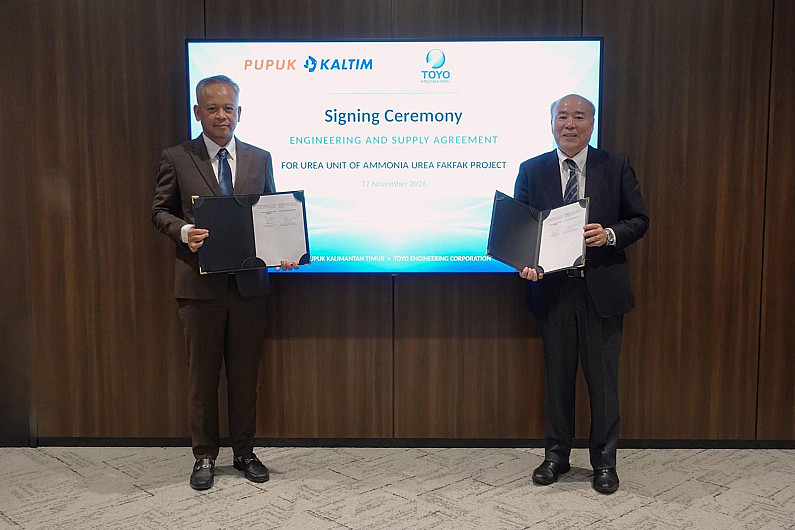
Tokyo, 17 November 2026 - Pupuk Indonesia, Indonesia’s state-owned fertilizer and petrochemical company, through its subsidiary Pupuk Kalimantan Timur (Pupuk Kaltim), has signed an agreement with Japan’s engineering company Toyo Engineering Corporation (TOYO) to develop the basic engineering design (BED) for a new urea plant in Fakfak, West Papua, Indonesia.
The facility is designed to produce 1.15 million tonnes of urea annually. The agreement marks a key engineering milestone for the Pupuk Indonesia-led Fakfak Fertilizer Industrial Estate, advancing the company’s plans to strengthen Indonesia’s long-term fertilizer supply.
“As global food demand continues to grow amid geopolitical uncertainty and supply chain challenges, expanding fertilizer production capacity has become increasingly important to safeguarding food security. Our partnership with TOYO is a step toward strengthening Indonesia’s domestic fertilizer supply while advancing our ambition to reinforce Indonesia’s position in the global fertilizer and petrochemical industry,” said Pupuk Indonesia President Director Rahmad Pribadi.
The partnership also builds on Pupuk Indonesia and TOYO’s earlier collaboration with ITOCHU Corporation on the Green Ammonia Initiative from Aceh (GAIA), a project aimed at developing the world’s first hybrid green ammonia production facility. For Fakfak, TOYO brings extensive experience in urea production technology, having designed, engineered, constructed and commissioned more than 110 urea plants using its technologies. The planned facility will adopt TOYO’s ACES21TM process, designed to improve energy efficiency and reduce capital investment costs, supporting the development of more competitive domestic urea production.
With completion targeted for May 2027, the BED represents a significant milestone in advancing the Fakfak project. It will establish the technical foundation for the subsequent project stages, including investment approval and the preparation of the Engineering, Procurement, and Construction (EPC) tender, bringing Pupuk Indonesia one step closer to realizing the development of the new ammonia and urea facility.
“TOYO has long contributed to global food security through its urea technology. This project is a meaningful undertaking that will support agricultural development in Eastern Indonesia. We are honored that Pupuk Indonesia and Pupuk Kaltim, with whom we have built a long-standing relationship of trust, have now selected our ACES21TM technology. Through the realization of this urea plant in West Papua, we aim to contribute to a stable food supply for Indonesia," said TOYO President and CEO Eiji Hosoi.
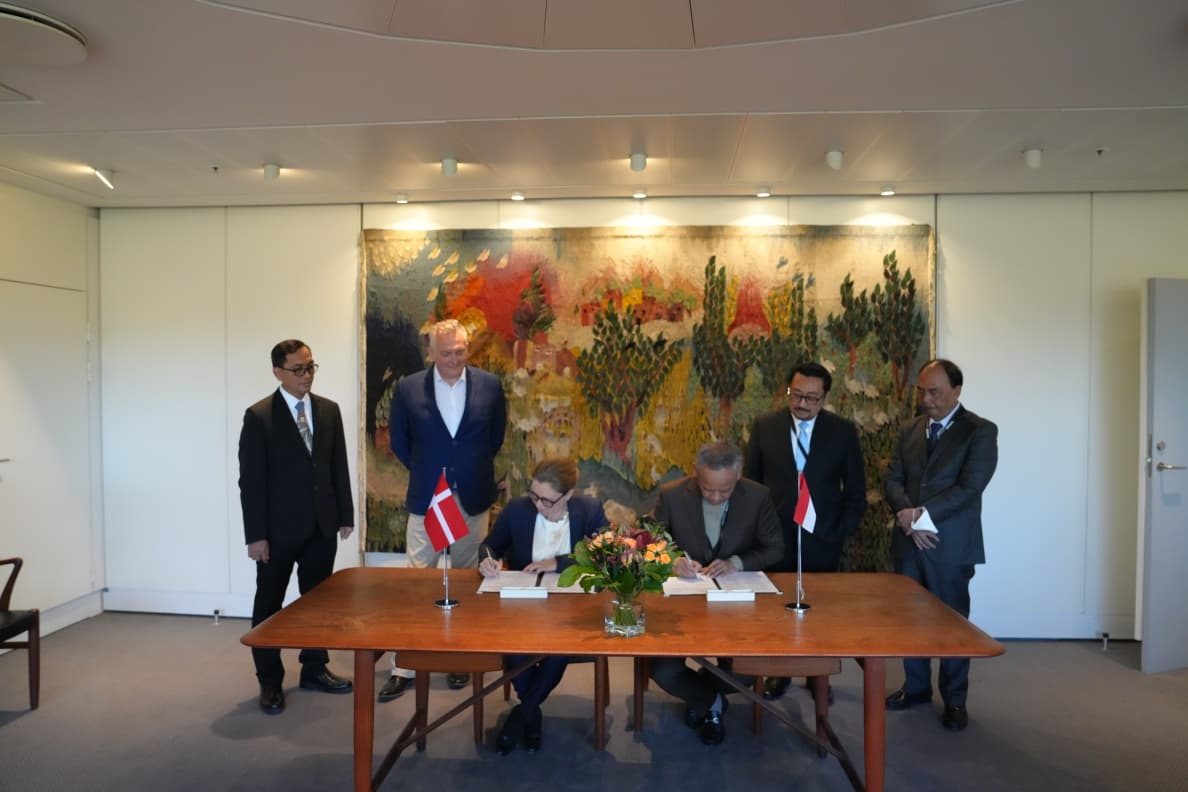
The urea plant will form part of an integrated Ammonia-Urea (Amurea) Complex, which will also include a planned ammonia plant with an annual production capacity of approximately 825,000 tonnes. Pupuk Indonesia, through Pupuk Kaltim, previously signed a separate BED agreement with Danish technology company Topsoe on 13 November 2026 for the ammonia facility. Together, these agreements lay the foundation for an integrated complex incorporating advanced technologies designed to improve energy efficiency and long-term industrial competitiveness.
Across its subsidiaries, Pupuk Indonesia Group has a combined annual fertilizer production capacity of approximately 14.8 million tonnes and is targeting urea production of 7.8 million tonnes in 2026. The Fakfak project is intended to build on this manufacturing base, helping meet Indonesia’s long-term fertilizer needs while creating opportunities to supply regional fertilizer markets and contribute to regional food security. The project will also create greater industrial value from Indonesia’s natural gas resources.
“Beyond expanding production capacity, this collaboration represents a strategic step toward transforming Indonesia’s fertilizer industry. By advancing technology, operational excellence and industrial efficiency, we aim to develop a more competitive manufacturing base and create greater industrial value from Indonesia’s natural gas resources,” Rahmad concluded