Strengthening Food Self-Sufficiency and Industrial Independence, Pupuk Indonesia Accelerates Comprehensive Transformation
-
 Posted by User01
- Share


Jakarta, November 12, 2026 – PT Pupuk Indonesia (Persero) is undertaking a comprehensive transformation, spanning farmer services and industrial development, to support national food self-sufficiency. The transformation encompasses the digitalization of fertilizer distribution and farmer assistance, plant revitalization and supply chain strengthening, as well as downstream industrial development and decarbonization. These initiatives aim to improve farmers’ access to fertilizers, ensure the continuity of national fertilizer supplies, and enhance industrial competitiveness.
“Food self-sufficiency requires a resilient fertilizer industry across the entire value chain, from upstream to downstream. Amid global uncertainties, we are strengthening industrial resilience while preparing for long-term sustainability. Therefore, we are implementing service transformation, business transformation, and green industrial transformation as an integrated strategy to ensure fertilizers remain affordable for farmers while making the industry increasingly competitive,” said Corporate Secretary of Pupuk Indonesia, Yehezkiel Adiperwira.
Digitalization and Monitoring Strengthen Farmers’ Access to Fertilizers
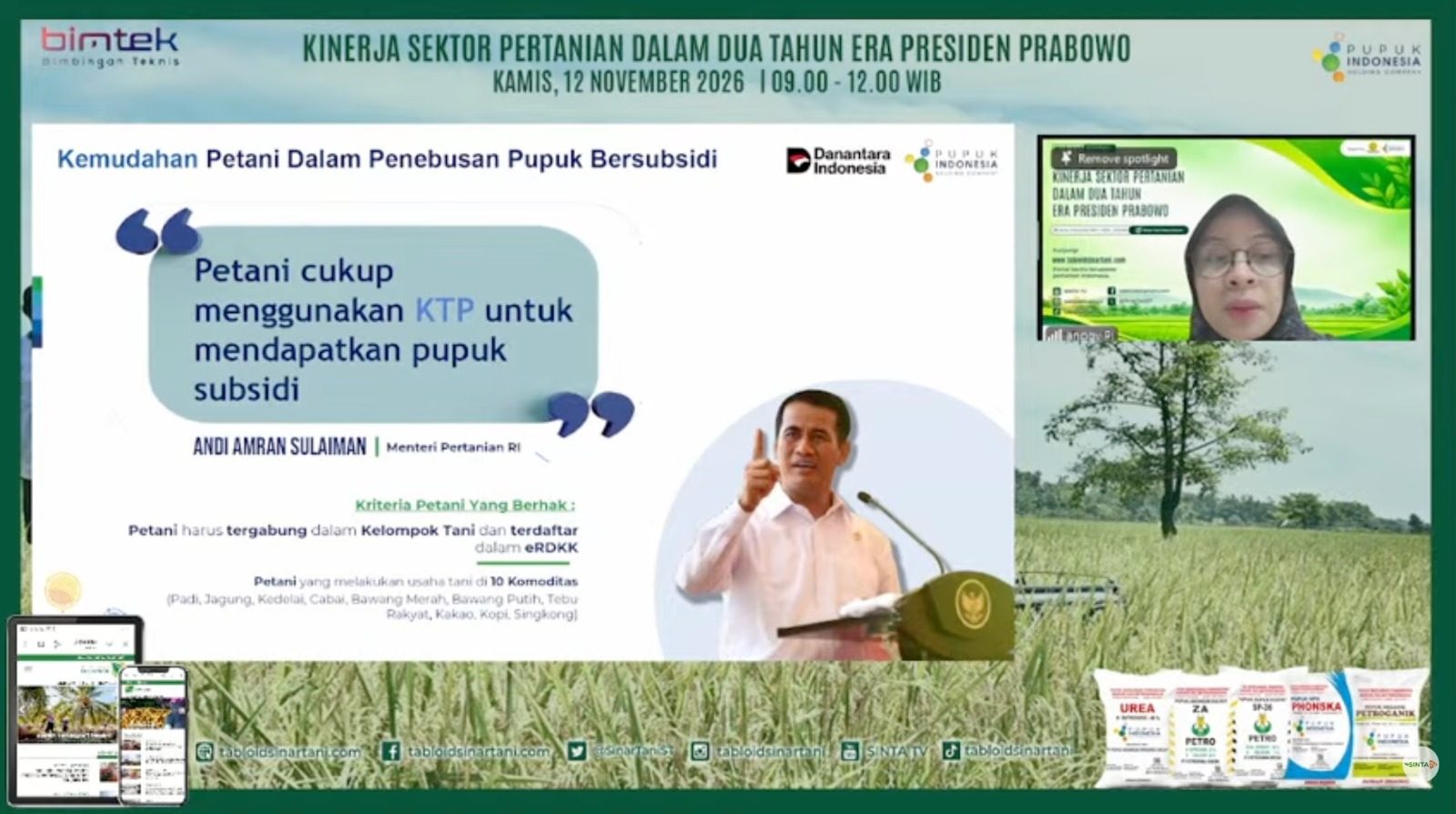
In terms of services, Pupuk Indonesia is strengthening subsidized fertilizer distribution governance through digitalization and end-to-end monitoring, from production facilities to Fertilizer Recipients at Delivery Points (PPTS).
By integrating the i-Pubers system with the Command Center, fertilizer stocks and redemption transactions can be monitored in real time, while fertilizer redemption is carried out based on farmer data registered in the electronic Definitive Plan for Group Needs (e-RDKK) and Government allocations.
This transformation aims to strengthen fertilizer availability, affordability, and accessibility for farmers in accordance with the Seven Rights (7T) principles: the right type, quantity, price, location, timing, quality, and recipient.
Service improvements also include monitoring compliance with distribution regulations and the Highest Retail Price (HET) in collaboration with relevant stakeholders, as well as providing assistance to farmers to support agricultural productivity.
Plant Revitalization and Supply Chain Strengthening Support Fertilizer Industry Resilience
Amid geopolitical developments and global market uncertainties, maintaining a reliable fertilizer supply for farmers has become increasingly critical. This requires an efficient fertilizer industry supported by a resilient raw material supply chain.
To address these challenges, Pupuk Indonesia is implementing business transformation through plant revitalization, improved production efficiency, and supply chain strengthening. These efforts include plans to construct and revitalize eight plants over the next five years, aimed at strengthening production capacity and efficiency while developing higher-value products.
On the supply chain side, Pupuk Indonesia is diversifying its raw material sources and exploring vertical integration through potential partnerships and investments in upstream sectors. These initiatives are designed to strengthen the long-term security of strategic raw material supplies.
Improvements in industrial efficiency have also contributed to a stronger production cost structure and a 20 percent reduction in the Highest Retail Price of subsidized fertilizers, ensuring that farmers directly benefit from the company’s business transformation.
Downstream Development and Decarbonization Strengthen Food and Energy Security
Alongside efforts to enhance production capacity and supply chain resilience, Pupuk Indonesia is pursuing green transformation through downstream industrial development and product diversification to strengthen national industrial independence and sustainability.
These initiatives include the development of a soda ash plant to meet the needs of the chemical industry, as well as plans to develop methanol production, which has the potential to support national industrial and energy requirements.
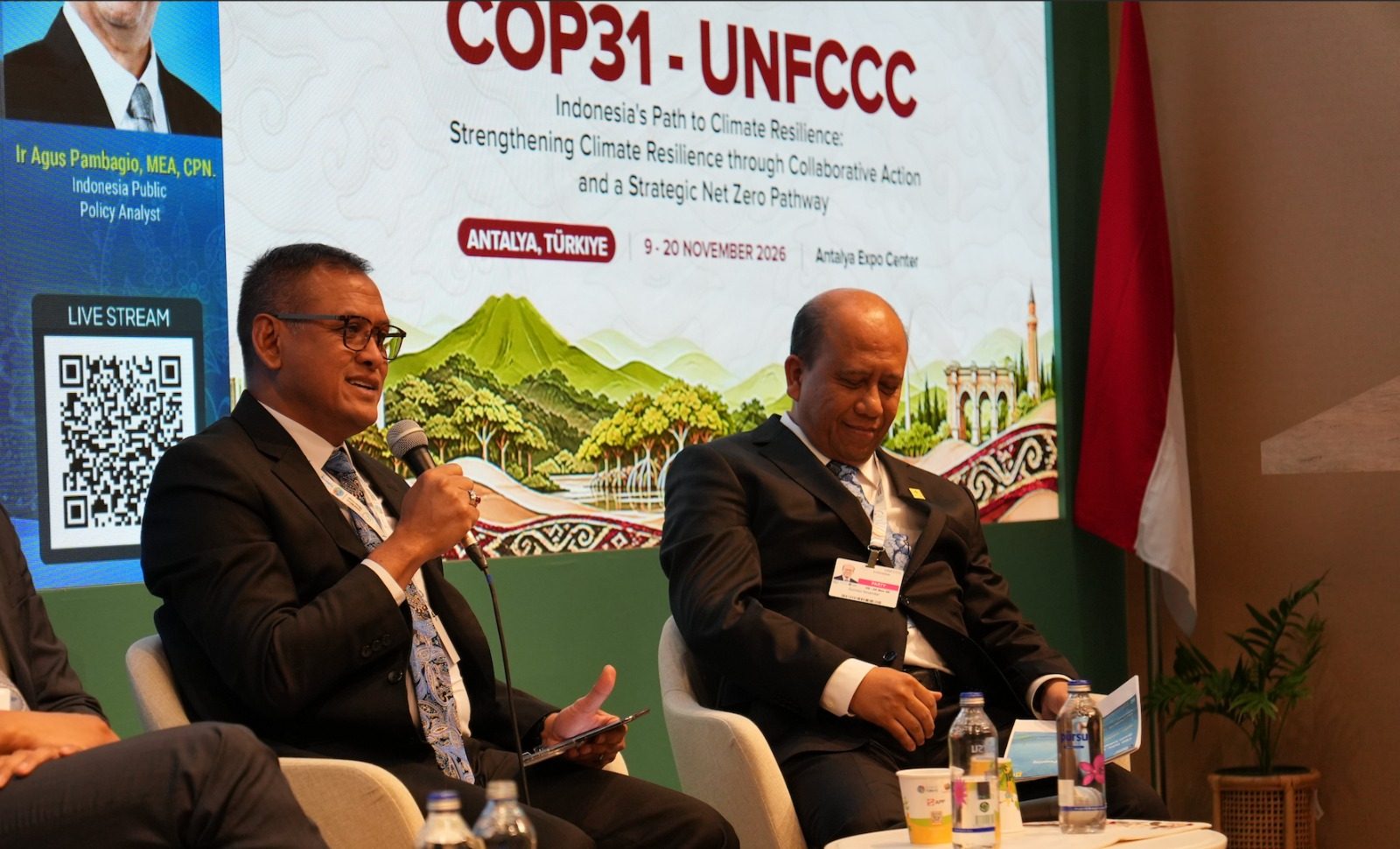
In terms of decarbonization, Pupuk Indonesia is also exploring the development of clean ammonia and carbon capture, utilization, and storage technologies (CCUS/CCS) as part of its efforts to gradually reduce emissions toward Indonesia’s Net Zero Emissions (NZE) target by 2060.
Through these initiatives, Pupuk Indonesia aims to ensure the long-term sustainability of the fertilizer industry as a key pillar of food self-sufficiency while expanding its contribution to national energy security.
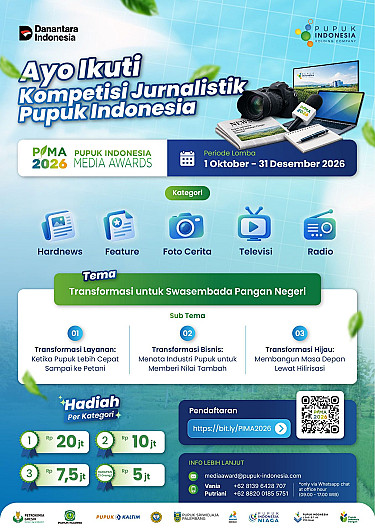
These three transformation pillars are the central focus of the Pupuk Indonesia Media Award (PIMA) 2026, themed “Transformation for National Food Self-Sufficiency.”
Through this competition, Pupuk Indonesia invites national and regional journalists to explore the stories behind the company’s transformation, ranging from innovations in farmer services and industrial strengthening to green business development.
“The transformation of the fertilizer industry involves various strategic initiatives that need to be understood comprehensively. The media plays an important role in highlighting the processes, challenges, and impacts of these efforts, enabling the public to gain a more complete understanding of Pupuk Indonesia’s contribution to supporting national food self-sufficiency,” said VP of Corporate Communication of Pupuk Indonesia, Cindy Sistyarani.
PIMA 2026 features five competition categories: Hard News Writing, Feature Writing, Photo Stories, Television, and Radio, with a total prize pool of IDR 262.5 million.
Eligible journalistic works must be published between October 1 and December 31, 2026.
Further information regarding competition requirements and submission procedures is available via WhatsApp at +62 813-9642-8707 (Vania) and +62 882-0018-55751 (Putri), or by email at mediaaward@pupuk-indonesia.com.