Optimizing the Performance of Subsidized Fertilizer Distribution through Digital Technology
-
 Posted by User01
- Share


Digitalization of Subsidized Fertilizer Distribution
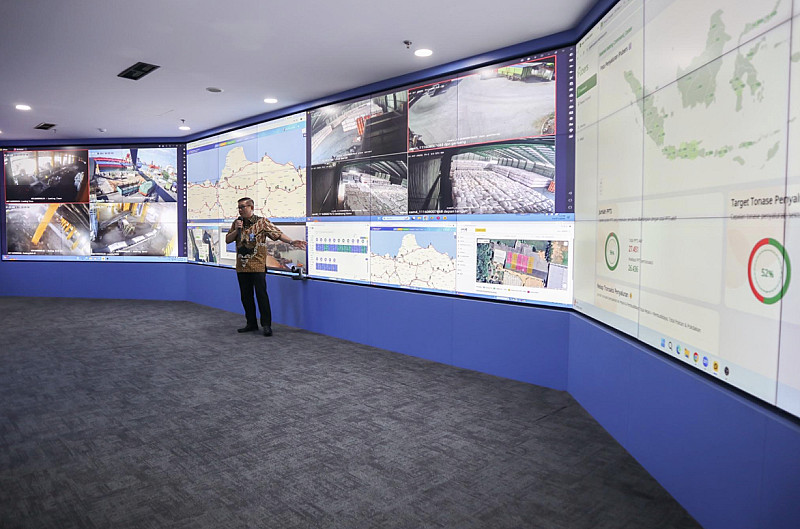
The digitalization of subsidized fertilizer distribution has become an important part of Pupuk Indonesia’s efforts to improve distribution performance, transparency, and the accuracy of fertilizer allocation to farmers. By integrating digital technology with Pupuk Indonesia’s Command Center, the distribution process can be monitored in real time, from production and stock movements to deliveries and the redemption of subsidized fertilizer at designated distribution points.
This transformation means that distribution management no longer relies solely on manual reporting. Data from various stages of the distribution process can be connected within a single system, enabling Pupuk Indonesia to identify changes in demand, monitor stock levels, and make distribution decisions more quickly.
What Is the Digitalization of Subsidized Fertilizer?
The digitalization of subsidized fertilizer refers to the use of digital systems and technologies to monitor, manage, and oversee the distribution of subsidized fertilizer from upstream to downstream.
The implementation involves several interconnected systems, including the Command Center, iPubers, and the Distribution Planning and Control System (DPCS).
The Command Center serves as the central hub for distribution monitoring. It integrates various types of information, providing a more comprehensive overview of distribution conditions. Meanwhile, iPubers is used to facilitate the redemption of subsidized fertilizer and serves as one of the primary sources of distribution transaction data.
According to Pupuk Indonesia, this integration enables real-time monitoring of distribution activities, including stock conditions down to the designated distribution points.
How Does the Command Center Monitor Fertilizer Distribution?
Pupuk Indonesia’s Command Center serves as a control center that connects information from various stages of the supply chain. Monitoring begins with production and continues through the distribution process until the fertilizer reaches farmers.
At the production stage, the system can monitor the productivity of Pupuk Indonesia Group’s fertilizer plants. Once the fertilizer has been produced, its distribution movements can be tracked using digital tracking technology.
Distribution vessels and trucks are equipped with GPS systems, allowing their movements to be monitored. This information helps the company identify the location of shipments while also detecting potential delays or disruptions during transportation.
Monitoring also covers stock conditions across various regions. With real-time information available, the company can identify areas experiencing high demand and adjust distribution accordingly without having to wait for manual reports.
DPCS Helps Detect Potential Stock Shortages
One of the technologies supporting the digitalization of subsidized fertilizer distribution is the Distribution Planning and Control System (DPCS).
DPCS is used to monitor fertilizer stocks and distribution in real time. The system provides information on sales, subsidized fertilizer allocations, warehouse capacity, distributors, and stock conditions throughout the distribution network.
Pupuk Indonesia also uses various indicators as an early warning system to detect potential supply shortages at an early stage. When demand increases in a particular region, the company can adjust or reallocate stock more quickly.
Therefore, technology serves not only as a monitoring tool but also as a means of supporting decision-making in distribution management.
What Is the Role of iPubers in the Digitalization of Subsidized Fertilizer?
While the Command Center functions as the central monitoring hub, iPubers plays a role in the redemption of subsidized fertilizer by eligible recipients at designated distribution points (PPTS).
Through iPubers, fertilizer redemption transactions can be recorded digitally. The data includes the recipient’s identity, the quantity of fertilizer redeemed, the transaction time, and the location of the redemption.
This data is then integrated with the Command Center, allowing Pupuk Indonesia to monitor the distribution of subsidized fertilizer in real time. According to Pupuk Indonesia, an average of approximately 2.5 million subsidized fertilizer redemption transactions are monitored each month through this integrated system.
This integration also makes the distribution process easier to trace. If unusual transaction patterns or potential irregularities are identified, the information can serve as a basis for further investigation.
How Does Digitalization Improve Distribution Performance?
The implementation of digital technology provides several benefits for the distribution of subsidized fertilizer, including:
Increasing Distribution Visibility
Pupuk Indonesia can monitor stock conditions and product movements more quickly and comprehensively.
Accelerating Responses to Changes in Demand
When demand increases in a particular region, stock reallocation can be carried out based on the latest available information.
Improving Transparency and Accountability
Redemption transactions are recorded digitally, making the distribution process easier to track and audit.
Strengthening Distribution Accuracy
Data integration helps the company ensure that fertilizer is distributed according to established allocations and reaches eligible recipients.
These benefits support the implementation of targeted subsidized fertilizer distribution while helping Pupuk Indonesia maintain fertilizer availability across different regions.
Digitalization Makes Distribution More Responsive
The use of technology has also changed how Pupuk Indonesia responds to conditions in the field. Previously, changes in demand or potential stock shortages required reporting and coordination processes. With an integrated digital system, information can be identified more quickly, allowing the company to respond at an earlier stage.
This is particularly important because fertilizer requirements can vary from one region to another, especially during planting seasons. Distribution must be adjusted according to stock availability, redemption rates, and farmers’ needs.
Pupuk Indonesia recorded that, as of August 14, 2026, national fertilizer stocks reached 1.5 million tons. During the same period, subsidized fertilizer redemptions reached 35.9 million tons, approximately 61% higher than during the corresponding period of the previous year. These figures highlight the importance of the company’s ability to monitor distribution and adjust supply when demand increases.
Turning Data into Distribution Decisions
The key advantage of digitalization lies not only in the availability of data but also in the ability to transform that data into a basis for decision-making. Through the Command Center, Pupuk Indonesia can combine information on production, stock levels, shipments, and fertilizer redemptions. This provides a more comprehensive picture of the overall distribution situation.
With this approach, distribution decisions can be made based on actual conditions in the field. For example, when redemption rates increase in a particular region, the company can immediately evaluate available stock and consider adjusting the supply accordingly.
The digitalization of subsidized fertilizer distribution therefore helps build a more proactive distribution system rather than one that simply responds to problems after they occur.
Digitalization Supports Food Security
The digitalization of distribution is one of the foundations of Pupuk Indonesia’s efforts to maintain fertilizer availability while improving the quality of services provided to farmers.
The integration of the Command Center, DPCS, and iPubers enables the distribution process to be monitored more comprehensively, from production through to fertilizer redemption. These systems also help the company detect potential disruptions at an early stage and adjust distribution based on actual data.
Therefore, the digitalization of subsidized fertilizer is not merely about transferring distribution processes to digital platforms. Technology serves as an instrument to improve visibility, accelerate decision-making, strengthen transparency, and ensure that subsidized fertilizer is distributed more effectively to eligible farmers.
Through the continuous use and development of technology, Pupuk Indonesia is strengthening the performance of fertilizer distribution as part of its support for agricultural productivity and national food security.