In Line with Danantara, Pupuk Indonesia Optimizes Assets Through Plant Revitalization
-
 Posted by User01
- Share


Optimizing Pupuk Indonesia’s Asset Portfolio for Sustainable Growth
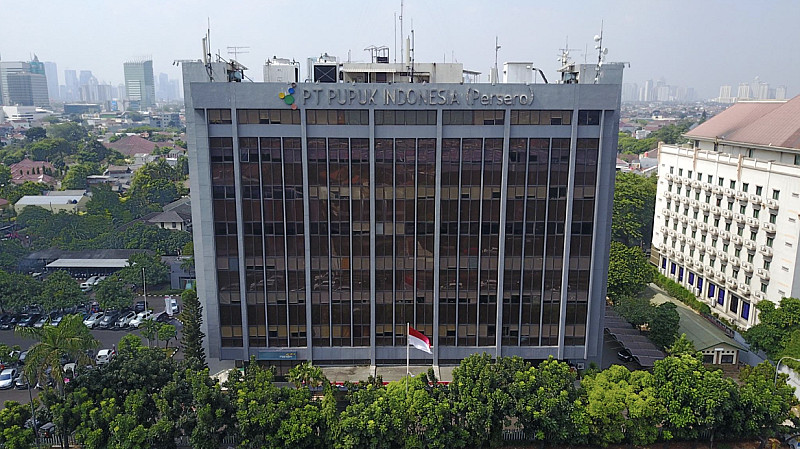
Pupuk Indonesia continues to optimize its asset portfolio through plant rejuvenation and revitalization programs. Over the next five years, the company is targeting the construction and revitalization of seven plants to improve productivity, production efficiency, and the value generated from its assets. This initiative is aligned with Danantara’s direction to encourage state-owned enterprises (SOEs) to manage their assets more productively and generate greater economic value.
Asset optimization is an integral part of Pupuk Indonesia’s transformation agenda to strengthen the competitiveness of the national fertilizer industry. Plants with long operational lifespans need to be upgraded to operate more efficiently, achieve greater reliability, and sustainably support the country’s fertilizer requirements.
Why Does Pupuk Indonesia Need to Optimize Its Asset Portfolio?
Pupuk Indonesia’s asset portfolio is not simply about the number of assets owned by the company, but also about how effectively those assets can generate benefits and added value.
For Pupuk Indonesia, production facilities play a critical role because they are directly linked to fertilizer production capacity and efficiency. Therefore, plant rejuvenation has become one of the company’s strategic measures to ensure that its assets remain productive and relevant to industry needs.
Pupuk Indonesia operates more than 20 fertilizer plants that are more than two decades old and therefore require gradual revitalization. The program is aimed at upgrading production facilities while improving overall operational efficiency.
Revitalizing Seven Plants Over the Next Five Years
Pupuk Indonesia is targeting the construction and revitalization of seven plants over the next five years. The program is part of the company’s industrial transformation agenda to improve energy efficiency, production capacity, and operational reliability.
Revitalization efforts are carried out by taking into account the condition and specific requirements of each facility. Through the adoption of updated technologies and production processes, assets that were previously operating below their optimal potential can make a greater contribution to the company’s performance.
One example is the revitalization of production facilities aimed at improving the efficiency of energy and raw material consumption. Pupuk Indonesia is also implementing modification and re-engineering programs based on energy audit findings as part of its efforts to improve production efficiency.
Aligned with Danantara’s Direction
The optimization of Pupuk Indonesia’s asset portfolio is aligned with Danantara’s agenda to promote more professional and value-oriented management of state assets.
This approach positions assets not merely as facilities owned by a company, but as resources that should make an optimal contribution to productivity and business growth.
For Pupuk Indonesia, this is implemented through the revitalization of production facilities, capacity optimization, efficiency improvements, and business portfolio development. With increasingly productive assets, the company can establish a stronger foundation for business growth while continuing to fulfill its role in supporting the national fertilizer supply.
What Is the Impact of Plant Revitalization on Pupuk Indonesia?
Plant revitalization provides several strategic benefits for Pupuk Indonesia.
First, it improves production efficiency through the use of more modern technologies and equipment. Second, it strengthens plant reliability, helping maintain production continuity. Third, it optimizes the use of energy and raw materials, which ultimately helps control production costs.
One project that has demonstrated tangible efficiency benefits is the revamping of the Ammonia Plant-2 at Pupuk Kaltim, which reduced gas consumption by more than 10%. This achievement demonstrates how asset upgrades can have a direct impact on operational efficiency.
In addition to plant revitalization, Pupuk Indonesia is also preparing to expand its product and business portfolio, including methanol and its derivatives, clean ammonia, and industrial support businesses. These diversification initiatives are aimed at creating new sources of growth while increasing the value of the company’s assets and capabilities.
A More Productive Asset Portfolio for Sustainable Growth
The optimization of Pupuk Indonesia’s asset portfolio is part of the company’s long-term transformation. Through the revitalization of seven plants over the next five years, Pupuk Indonesia is working to ensure that its production assets achieve higher levels of efficiency, productivity, and reliability.
Ultimately, asset optimization is not only aimed at improving the company’s performance but also at strengthening the national fertilizer industry’s ability to meet domestic demand. More productive assets will provide a foundation for greater cost efficiency, increased production capacity, and the development of higher-value businesses.