Indonesia Fertilizer Soda Ash Plant: A Strategic Step Toward Efficiency and Sustainability in the Fertilizer Industry
-
 Posted by
- Share


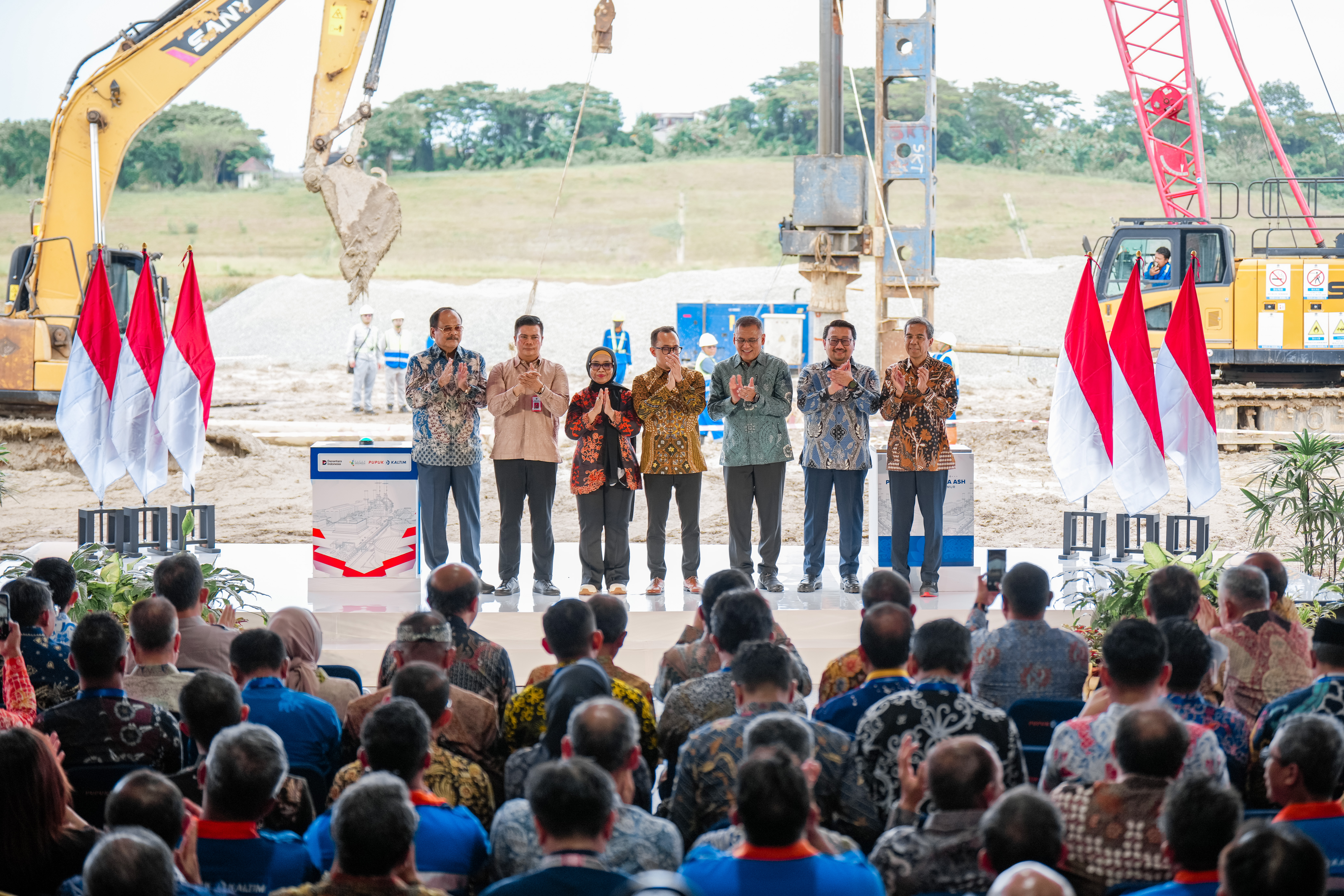
The national fertilizer industry plays an important role in maintaining Indonesia’s food security. Moreover, through Pupuk Indonesia, the national fertilizer industry can also play its part in supporting industrial downstreaming programs. Therefore, as a strategic state-owned enterprise (SOE), Pupuk Indonesia continues to carry out various innovations to enhance competitiveness through fertilizer industry downstreaming, including the planned construction of a soda ash plant, which is expected to reduce import dependence and strengthen the national industrial structure.
The construction of a soda ash plant is not merely an industrialization project, but a major step toward establishing independence in the raw materials for the national chemical industry, reducing import dependence, and utilizing excess CO₂ as part of the decarbonization agenda. The existence of this plant is also projected to support various national industries such as ceramics, glass, detergents, textiles, pulp, and paper. Thus, soda ash becomes a strategic downstreaming element that strengthens the foundation of Indonesia’s manufacturing sector as a whole.
Pupuk Indonesia’s Role in Enhancing Efficiency in the National Fertilizer Industry
As the parent company overseeing various national fertilizer producers, Pupuk Indonesia plays a central role in stabilizing fertilizer production and distribution in Indonesia. In recent years, the company has faced challenges such as energy price fluctuations, global market volatility, and dependence on imported raw materials. To remain competitive, improving fertilizer industry efficiency has become a key priority.
Several strategic measures taken by Pupuk Indonesia to improve efficiency include:
1. Optimization of supply chains and raw materials
Pupuk Indonesia continuously strengthens its supply chain by seeking more affordable and stable raw material sources, including minimizing dependence on imported materials that are highly susceptible to global disruptions.
2. Energy efficiency improvements
The fertilizer sector—especially urea and ammonia production—is highly energy-intensive. Pupuk Indonesia is modernizing equipment, implementing energy-efficient technologies, and reducing fuel consumption in production processes.
3. Digital integration and automation
Through digital transformation, the company has implemented smart factory concepts, predictive maintenance, and real-time monitoring to improve operational efficiency.
4. Product diversification and downstream expansion
Beyond producing core fertilizers, Pupuk Indonesia continues to broaden its downstream business portfolio to increase value-added and income stability.
Among these initiatives, the construction of a soda ash plant is one of the most strategic long-term projects, as it directly relates to production cost efficiency and independence in raw materials for the national fertilizer industry.
The Importance of Soda Ash as a Strategic Raw Material
Soda ash, or sodium carbonate (Na₂CO₃), is a chemical substance with a wide range of essential industrial functions, including:
- A primary raw material for the glass, ceramics, and detergent industries
- An important component in the pulp and paper industry
- A supporting chemical in the production of ammonium sulfate (ZA) and gas purification processes in the fertilizer industry
- A supporting material in various basic chemical processes
The availability of soda ash strongly influences the competitiveness of the manufacturing industry. However, Indonesia has long been forced to import soda ash, with import volumes continuing to increase. Currently, Indonesia imports approximately 1 million tons of soda ash annually from various countries, including North America and China.
Problems Caused by Soda Ash Import Dependence and Its Impact on Production Costs
High dependence on soda ash imports carries several risks:
1. Global price fluctuations
Soda ash prices are highly sensitive to shifts in energy markets and producer-country policies.
2. Supply uncertainty
Logistics disruptions and geopolitical tensions can trigger supply shortages.
3. Weakened competitiveness of national industries
The glass, ceramics, detergent, and fertilizer industries become less competitive due to unstable raw material costs.
4. Hindered downstreaming of Indonesia’s chemical industry
Import dependence slows import substitution efforts and the strengthening of domestic manufacturing.
These challenges highlight the urgency of developing a domestic soda ash plant as part of the industrialization and raw-material independence strategy.
Benefits of Building a Soda Ash Plant by Pupuk Indonesia
The planned soda ash plant will bring significant impacts to national industry and the economy:
1. Raw material independence
Indonesia can reduce import dependence and secure stable supplies for downstream industries.
2. Import substitution and cost efficiency
Domestic production will reduce logistics costs, increase efficiency, and mitigate exposure to global price volatility.
3. Utilization of excess CO₂ (decarbonization)
Soda ash production can utilize CO₂ from industrial processes, thereby:
- reducing emissions,
- supporting decarbonization efforts, and
- improving resource efficiency.
4. Strengthening national manufacturing
Industries such as ceramics, glass, detergents, paper, and basic chemicals will benefit from more competitive raw material supplies.
Economic and industrial impacts include:
- Job creation
- Growth of supporting industries
- Acting as a catalyst for the basic chemical industry
Thus, the soda ash plant is not only a project by Pupuk Indonesia but also a national strategic initiative to strengthen the industrial ecosystem.
Sustainable Technology in the Soda Ash Plant
Modern soda ash plants adopt sustainable technologies such as:
- CO₂ utilization in processing
- Higher energy efficiency
- Water recycling systems
- Reduced process waste
- Digitalization and automated monitoring
These concepts support Pupuk Indonesia’s transformation into a more sustainability-oriented company.
Industrial, Economic, Environmental, and Social Impacts
Industrial Impact:
- Stable supply for glass, ceramics, detergent, textile, and pulp & paper industries
- Lower production costs for downstream sectors
- Improved national manufacturing competitiveness
Economic Impact:
- Foreign exchange savings
- Job creation
- Boosting growth of basic chemical industries
Environmental Impact:
- CO₂ utilization reduces emissions
- Modern technology minimizes solid and liquid waste
Social Impact:
- Increased income for surrounding communities
- Growth of local business and SME ecosystems
Not only producing soda ash, Pupuk Indonesia’s soda ash plant will also be capable of generating 300,000 tons of ammonium chloride. This production is expected to reduce ammonium chloride imports—an essential fertilizer raw material—by approximately IDR 250 billion per year. Thus, the soda ash plant will not only replace soda ash imports but also substitute imported ammonium chloride, which is highly needed for oil palm plantations.
Therefore, the construction of the soda ash plant by Pupuk Indonesia is a strategic step in strengthening the downstream development of the chemical industry, reducing import dependence, and supporting the decarbonization agenda through the utilization of CO₂ as a raw material. This project aims to reinforce a broader spectrum of national industries, ranging from ceramics, glass, detergents, and textiles to basic chemicals. With the establishment of a domestic soda ash plant, Indonesia moves one step closer to building a strong, efficient, and sustainable industrial structure.