Rahmad Pribadi Pushes National Downstreaming through the Construction of Indonesia’s First Soda Ash Plant
-
 Posted by
- Share


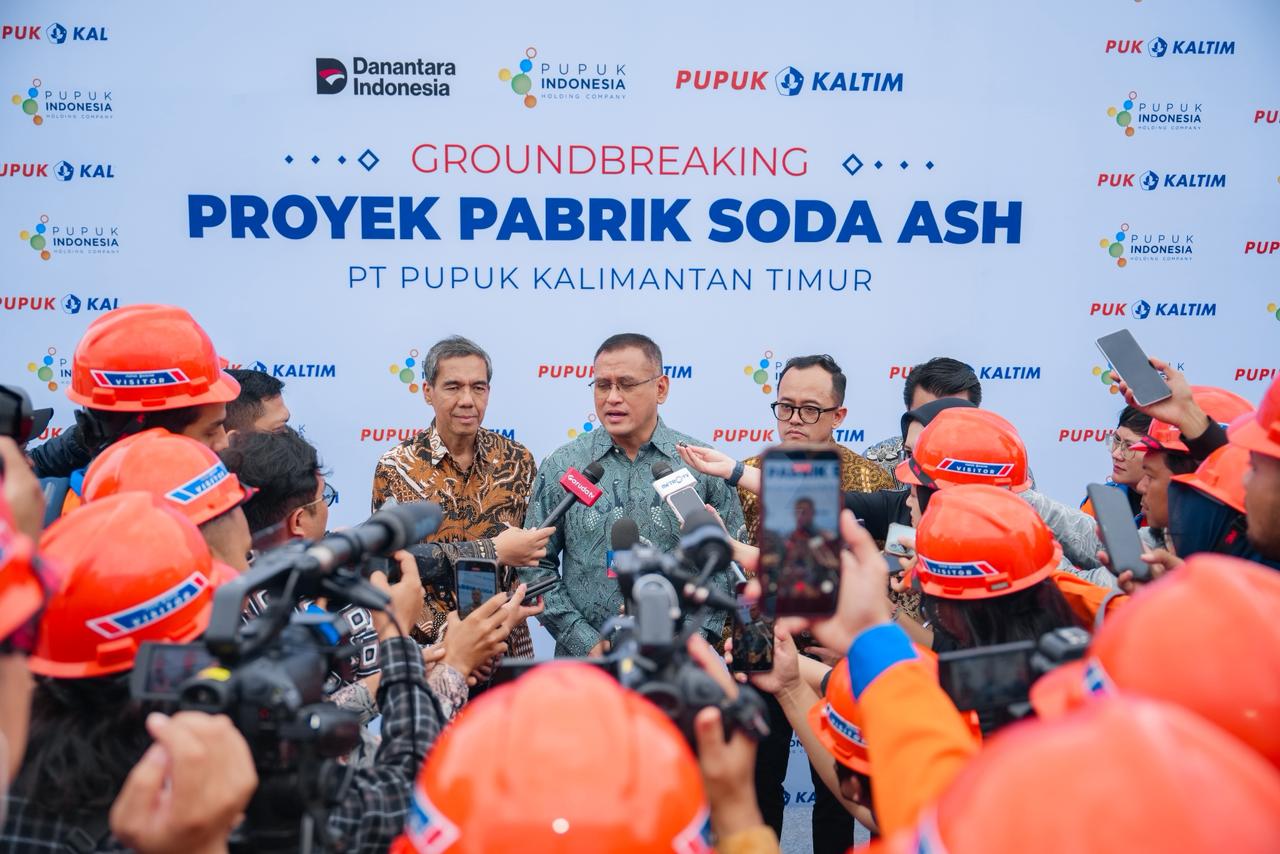
Downstreaming has become one of Indonesia’s strategic agendas in strengthening the foundation of the national economy. Amid the need for industrial self-reliance, particularly in the fertilizer and petrochemical sectors, Pupuk Indonesia has taken a major step by initiating the construction of the first soda ash plant in Indonesia.
The development of this soda ash plant serves as an answer to Indonesia’s urgent need for independence in strategic industrial raw materials. For years, nearly all domestic soda ash demand has been met through imports, even though this raw material is essential for many sectors such as fertilizers, glass, textiles, and food and beverages. By starting construction of this plant, Pupuk Indonesia is providing a concrete solution for national industries while strengthening the foundation of a production-based domestic economy.
Downstreaming and the Transformation of the National Industry
As President Director of Pupuk Indonesia, Rahmad Pribadi views the construction of the soda ash plant not merely as an industrial project, but as a historic milestone that will reshape the development trajectory of Indonesia’s fertilizer and petrochemical sectors. On various occasions, Rahmad has described this initiative as “the beginning of a new chapter for the national chemical industry” because, for the first time, Indonesia is boldly establishing an independent soda ash industry.
According to Rahmad Pribadi, the development of this plant aligns with the Asta Cita vision, which underpins the administration of President Prabowo Subianto and Vice President Gibran Rakabuming Raka. One key pillar of Asta Cita is strengthening industrialization and increasing the value added of domestic products. The presence of the soda ash plant fully supports this agenda by producing a basic chemical product that has long been a major gap in Indonesia’s industrial value chain.
Furthermore, Rahmad emphasizes that this project represents a tangible commitment by Pupuk Indonesia Group to supporting chemical industry independence and reducing reliance on imports. “Indonesia has enormous industrial potential. What we need is the courage to build new foundations so this nation becomes more competitive,” he said. With stronger downstreaming, Indonesia will no longer be just a consumer, but also a producer and an important player in the global market.
Economic Potential and Production Capacity: A New Foundation for the National Chemical Industry
One reason the construction of the soda ash plant is highly strategic is its planned production capacity of 300,000 metric tons per year. This figure accounts for around 30 percent of national demand. Meaning, through one strategic initiative, Indonesia will immediately be able to reduce soda ash import dependence by about one-third of total domestic needs.
By reducing imports, the country is projected to save up to IDR 1 trillion per year in foreign exchange. This is a significant figure, especially amid government efforts to improve the trade balance and strengthen the domestic economy. In addition, the plant will produce a byproduct—ammonium chloride—which can be utilized by the fertilizer industry as an additional raw material. The use of this byproduct is projected to generate additional savings of IDR 250 billion per year.
Rahmad Pribadi describes these achievements and potentials as part of “the great dream of Indonesia to become more self-reliant and competitive in industry.” According to him, Indonesia has long been overly dependent on imported raw materials, making its industries vulnerable to global shocks. With the construction of the soda ash plant, Indonesia is now embarking on a new path toward becoming more resilient and sovereign in the basic chemical sector.
Beyond its economic value, domestic soda ash production will also become a key driver for the development of downstream industries. When essential raw materials are available locally, downstream industries such as glass manufacturing, soap, and detergent production can benefit from cost efficiency, supply stability, and improved competitiveness in international markets. Thus, the impact of this project will flow into multiple sectors, providing broader benefits beyond merely producing soda ash.
Contribution to the 2060 Net Zero Emission Agenda: A Greener Industry for the Future
In addition to strengthening industrial self-sufficiency, the soda ash plant also contributes significantly to Indonesia’s commitment to achieving Net Zero Emission by 2060. Its industrial design allows the plant to absorb around 174,000 tons of CO₂ per year from existing facilities. This makes the soda ash plant not only a production center but also a facility that supports national decarbonization efforts.
Through modern technology, the soda ash production process enables CO₂ absorption as part of its chemical operations. At a time when many new industries are considered potential contributors to increased emissions, this plant instead becomes a solution to reducing emissions from the petrochemical and fertilizer sectors. This illustrates how modern downstreaming can align with sustainability principles.
Moreover, the ammonium chloride byproduct can be used as a raw material for fertilizers that support national food security. Thus, the plant contributes not only to the economy and environment but also to the agricultural sector—one of the nation's strategic priorities. The availability of domestically produced ammonium chloride will improve fertilizer industry efficiency, enhance formulation accuracy, and deliver direct benefits to farmers.
Economic and Social Impact on the Region
The construction of the soda ash plant in Bontang brings extensive impacts not only at the national level but also at the regional level, particularly in East Kalimantan. During the construction phase, the project will absorb thousands of local workers. Once operational, the plant will continue to require a significant number of skilled workers, creating long-term employment opportunities.
Additionally, the plant’s development encourages the involvement of local industries. Industrial salt suppliers, for example, will face increased demand, opening opportunities for the growth of the domestic industrial salt sector. Supporting service industries such as logistics, transportation, machinery, and other suppliers will also experience a multiplier effect from increased industrial activity.
For MSMEs around the Bontang industrial area, new business opportunities will emerge. The presence of thousands of workers during construction and the ongoing industrial activities will increase demand for food, services, accommodation, and other supporting products. Thus, the soda ash plant has the potential to become a new center of economic growth for East Kalimantan, strengthening its position as one of Indonesia’s largest chemical industrial zones.
This local economic expansion is important in the context of equitable national development. For years, heavy industries have been concentrated mainly on the island of Java. The construction of the soda ash plant outside Java—especially in East Kalimantan—reinforces regional economic transformation and supports the government’s long-pursued agenda of equitable development.
Rahmad Pribadi and Pupuk Indonesia’s Commitment to a Self-Reliant Indonesia
The construction of Indonesia’s first soda ash plant is a monumental step for the fertilizer, petrochemical, and national industrial sectors. This initiative is not merely an industrial investment but a strategic move to strengthen Indonesia’s long-term economic resilience. By reducing import dependence, supporting the net zero emission agenda, strengthening downstream industries, and generating wide-ranging regional benefits, the plant brings complex and far-reaching strategic value.
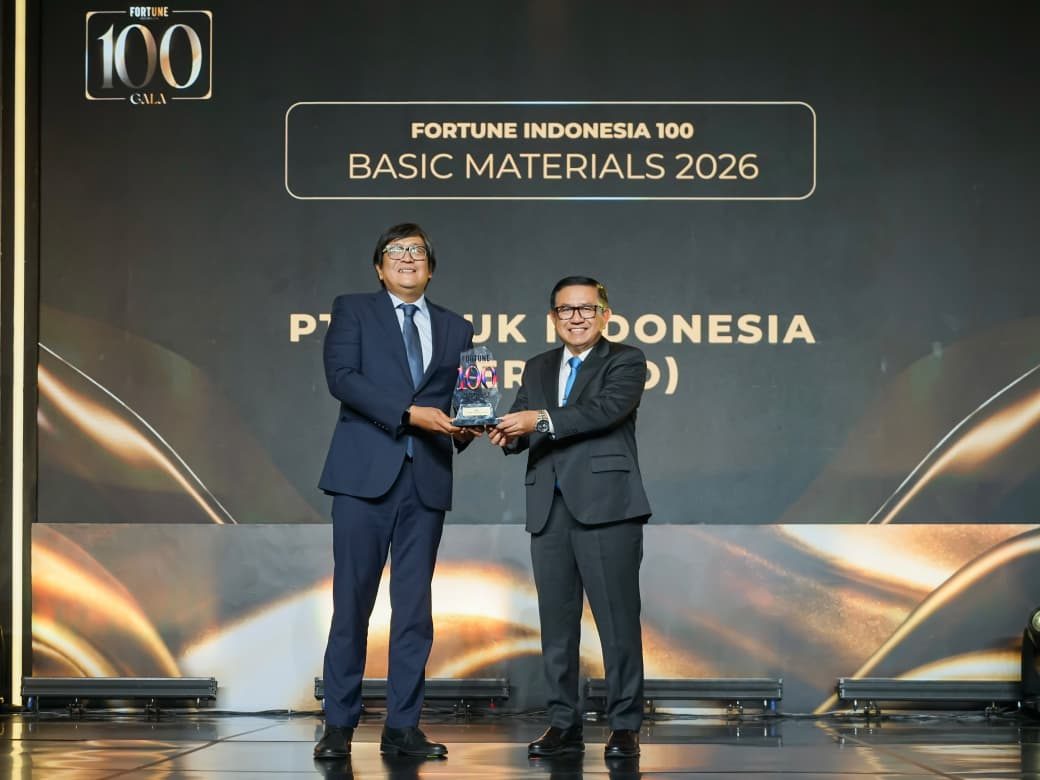
Behind this major step, Rahmad Pribadi plays a crucial role as a leader driving innovation, downstreaming, and industrial transformation within Pupuk Indonesia. Under his leadership, Pupuk Indonesia is not only functioning as a fertilizer producer but also as a driving force for the independence of the national chemical industry.
With a strong commitment to sustainability, innovation, and industrial self-sufficiency, Rahmad Pribadi and Pupuk Indonesia reaffirm their determination to help Indonesia achieve greater economic sovereignty. The construction of the soda ash plant stands as a symbol that Indonesia is capable of building strategic industries independently, while establishing a strong foundation for a more advanced and sustainable future.