The Social and Economic Impacts of the Subsidized Fertilizer Program on Small Farmers
-
 Posted by
- Share


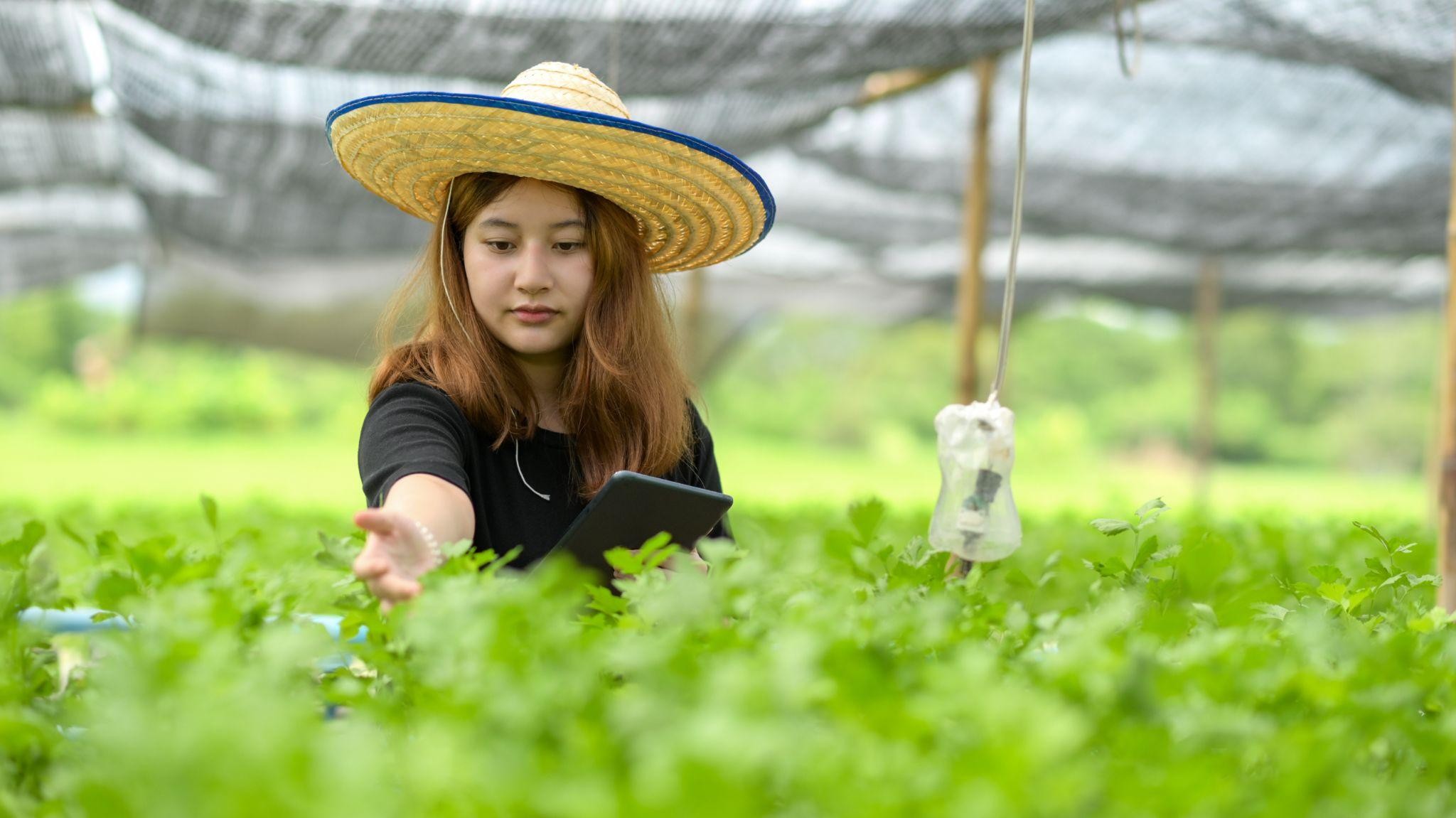
Subsidized fertilizer is a government assistance program that covers part of the fertilizer cost so that farmers can purchase it below market price. Its main goal is to ensure the sustainability of national food production by preventing small-scale farmers from being burdened by high production costs.
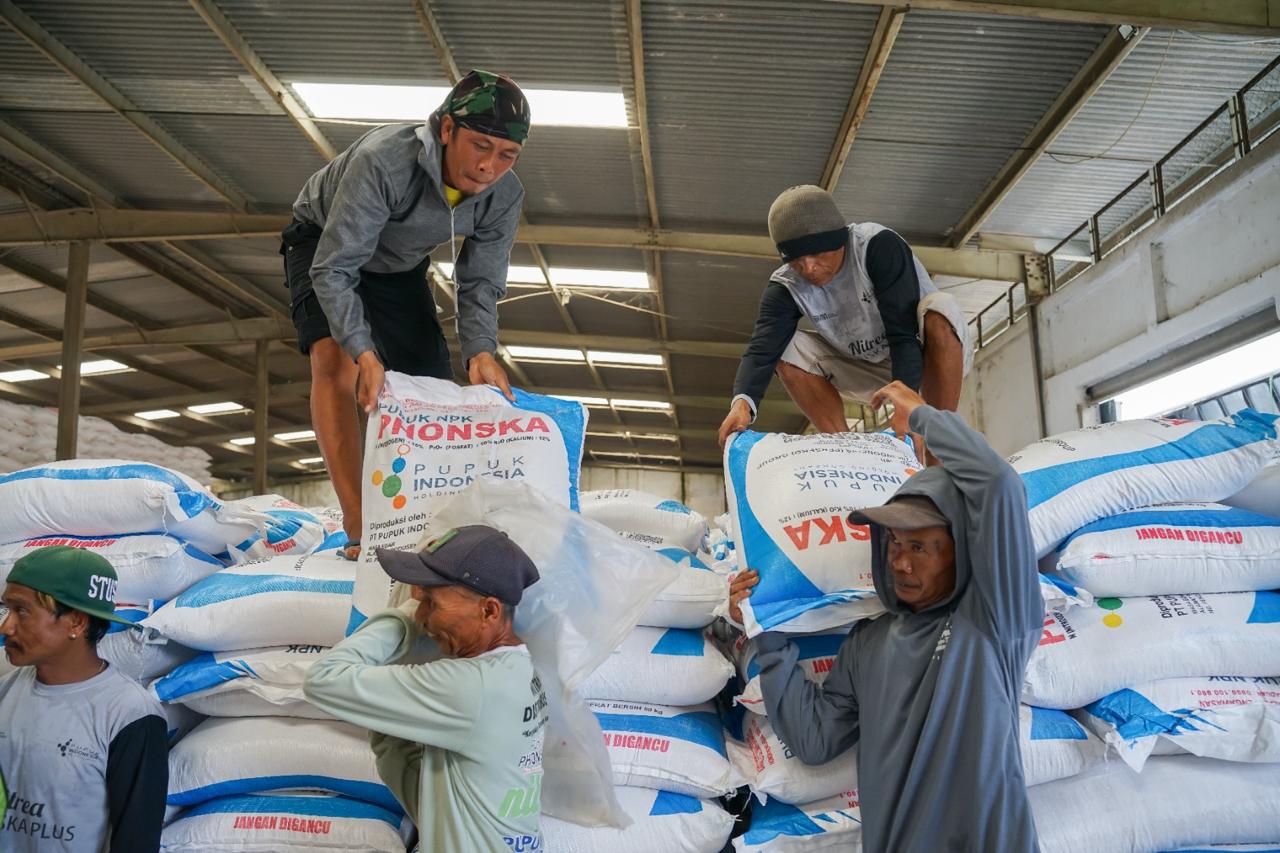
This program is managed by the government through the Ministry of Agriculture and distributed by Pupuk Indonesia. The types of subsidized fertilizers include Urea, NPK, ZA, SP-36, and organic fertilizers, all sold at nationally determined Maximum Retail Prices (MRP).
Through an allocation system and farmer data registered in the Definitive Group Needs Plan (Rencana Definitif Kebutuhan Kelompok or RDKK), subsidized fertilizers are expected to reach the right targets—namely, small farmers cultivating a maximum of two hectares. Every year, millions of tons of fertilizer are distributed across Indonesia to support the productivity of staple food crops such as rice, corn, and soybeans.
Subsidized Fertilizers Support Small Farmers and Ensure Food Stability
The essence of the subsidized fertilizer program is not merely about providing cheap fertilizer, but about building national food self-sufficiency. There are two primary objectives:
1. Supporting Small Farmers
The majority of farmers in Indonesia are small-scale with limited capital. Fertilizer subsidies help them reduce planting costs and continue cultivating their land productively.
2. Maintaining National Food Stability
When small farmers can afford to plant crops, food availability in the market becomes more stable. This directly affects national food prices, inflation, and the economic resilience of communities.
In other words, subsidized fertilizer is a socio-economic investment by the government to balance farmer welfare with national food security.
Economic Impact of Subsidized Fertilizer on Small Farmers
1. Reduced Agricultural Production Costs
Without subsidies, fertilizer prices can be a major burden for farmers. For instance, the market price of non-subsidized Urea can be two to three times higher than the subsidized price. With subsidies, farmers can reduce production costs by 30–40%.
Lower costs allow farmers to allocate capital to other needs such as quality seeds, pesticides, or irrigation improvements. The impact extends beyond economic efficiency to the sustainability of small-scale farming.
2. Increased Productivity and Yields
Affordable fertilizer encourages farmers to apply nutrients according to recommended dosages. Fertile soil with adequate nutrients leads to higher productivity.
Data from the Ministry of Agriculture shows that farmers who receive subsidized fertilizer tend to achieve 10–20% higher rice yields compared to those who don’t. Higher yields also lead to increased farmer income.
3. Contribution to Small Farmers’ Income
The combination of lower costs and higher productivity directly improves farmers' earnings. They can earn greater profit margins, even when commodity prices fall.
Stable income is critical for small farmers who rely on seasonal harvests. The subsidy program also helps reduce income inequality among farmers by equalizing access to production inputs.
Social Impact of the Subsidized Fertilizer Program
1. Providing a Sense of Security and Farming Certainty
Small-scale farmers often face uncertainty due to weather, market prices, and input costs. With subsidized fertilizer and government-regulated pricing through the MRP, farmers gain more stable production costs.
Price certainty fosters a sense of security and confidence to continue farming, directly impacting farmers’ motivation to maintain staple food production.
2. Reducing the Gap Between Small and Large Farmers
Without subsidies, large-scale farmers with more capital can easily access non-subsidized fertilizers in bulk. Subsidized fertilizer serves as a tool for economic equity in rural areas by giving smallholders equal opportunities to boost productivity.
With equal fertilizer access, productivity depends less on capital and more on effective land management.
3. Supporting Rural Economic Development and Social Resilience
The program generates a multiplier effect in rural communities. As harvests improve, purchasing power increases, local economies grow, and social resilience strengthens.
In addition, the presence of official fertilizer kiosks, distributors, and farmer groups creates new jobs in villages. Social bonds among farmers also grow stronger as they share a common goal—ensuring national food production continuity.
Challenges in the Distribution of Subsidized Fertilizers
Despite its significant impact, the subsidized fertilizer program still faces several challenges:
1. Distribution Issues in Remote Areas
Delivering subsidized fertilizers to remote areas is often hindered by poor infrastructure. High logistics costs, limited road access, and extreme weather cause delays. As a result, some farmers struggle to access fertilizer on time, especially before the planting season.
2. Misuse or Selling Above MRP
A recurring issue is distribution abuse, such as selling fertilizers above the official price or to ineligible parties. These practices harm small farmers and erode trust in the subsidy program.
To counter this, the government has tightened supervision and imposed strict sanctions on violators of fertilizer distribution regulations.
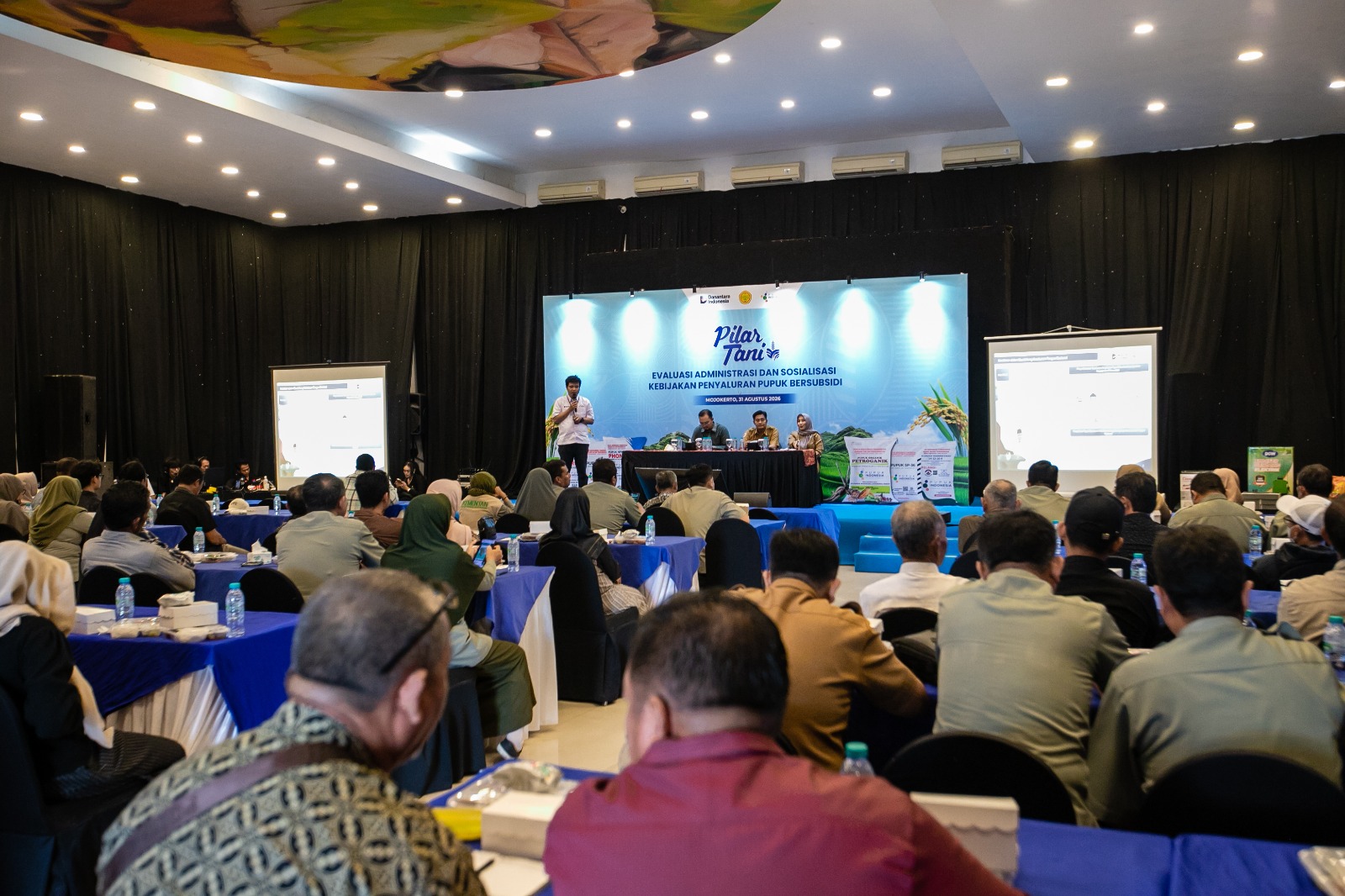
3. Lack of Understanding of the New Digital Mechanism
With the shift to digital systems, some farmers, especially in rural areas, struggle to understand new procedures such as mandatory registration in electronic systems or the use of apps for redeeming fertilizers. Education and assistance are crucial to help all farmers adapt without confusion.
The Role of Digitalization and i-Pubers in Enhancing Transparency and Effectiveness
To address these challenges, the government and Pupuk Indonesia have adopted a digital platform known as i-Pubers (Integrasi Pupuk Bersubsidi or Integrated Subsidized Fertilizer System). This system functions as a database and digital monitoring tool for fertilizer distribution, integrated with RDKK data.
1. Ensuring Transparency in Fertilizer Redemption
Through i-Pubers, every fertilizer redemption transaction is recorded digitally. Only farmers registered in the RDKK with a Farmers Card or digital ID can redeem subsidized fertilizer. This ensures accurate targeting and minimizes misuse.
2. More Effective Distribution Monitoring
The i-Pubers system allows real-time monitoring of fertilizer stock and distribution across regions. Any shortage or delay can be quickly identified and addressed.
This digital oversight strengthens accountability and ensures fertilizers reach eligible farmers according to allocation.
3. Improved Access for Small Farmers
Digitalization also makes things easier for farmers. With an integrated system, their rights are automatically recorded and secured. Additionally, information on stock and distribution schedules is more accessible via farmer group devices or field assistants.
With this technology, the government aims to make fertilizer distribution more efficient, transparent, and equitable.
The Program’s Contribution to National Food Security
The long-term impact of the subsidized fertilizer program is not limited to individual farmers but extends to national food security. Key contributions include:
● Support for National Food Self-Sufficiency Goals
Subsidized fertilizer availability helps farmers maintain planting intensity and land productivity. This is the foundation for achieving self-sufficiency targets, especially for rice, corn, and soybeans.
Without subsidized support, national agricultural productivity could significantly drop due to farmers’ inability to afford non-subsidized fertilizers.
● Price and Food Supply Stability
With more controlled production costs, farmers can sell their produce at fair prices without losing profits. Stable prices at the farm level translate into national food price stability and improved consumer purchasing power.
● Subsidized Fertilizer as a Long-Term Strategy
The program is part of the government’s long-term strategy to sustain national agriculture. Beyond productivity, the subsidy supports farmer regeneration by encouraging younger generations to engage in agriculture, as it becomes more economically viable.
The subsidized fertilizer program has proven to be a vital policy with broad economic and social impacts. For small farmers, it represents hope and security. Affordable production costs, higher yields, and more stable income allow them to continue farming and contribute to national food resilience.
Socially, the program fosters a sense of security, strengthens rural solidarity, and reduces inequality among farmers. Although challenges remain in distribution and understanding digital systems, government initiatives through platforms like i-Pubers are a step toward greater transparency and efficiency.
More than just economic aid, subsidized fertilizer is a long-term social investment to build a resilient, fair, and sustainable agricultural sector—forming the foundation for Indonesia’s food sovereignty.