Fertilizer Industry Development in the Hands of Rahmad Pribadi, President Director of Pupuk Indonesia
-
 Posted by
- Share


Fertilizer as a Pillar of National Agriculture
Agriculture remains a vital sector for Indonesia’s food security. Amid a growing population and limited land availability, fertilizer serves as an essential factor determining the success of modern farming. Without the right fertilizer, it is difficult to increase land productivity—especially with the increasing challenges posed by climate change.
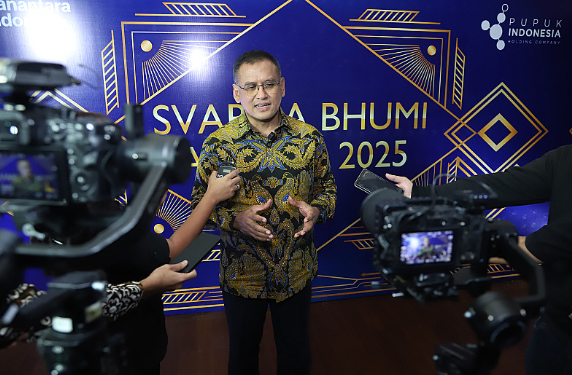
Fertilizer provides nutrients essential to plant growth, accelerates development, and boosts crop yields. In intensive farming practices, fertilizer is no longer a choice, but a necessity. This is why Rahmad Pribadi, President Director of Pupuk Indonesia, places fertilizer industry development as a top priority. According to him, fertilizer is not merely a product—it is the foundation of national food security, and its availability must never be compromised.
The Strategic Role of the Fertilizer Industry in Agriculture
The fertilizer industry plays a major role in agriculture. As the primary national fertilizer producer, Pupuk Indonesia is at the forefront of ensuring that farmers have sufficient fertilizer supplies every planting season.
Ensuring Fertilizer Availability
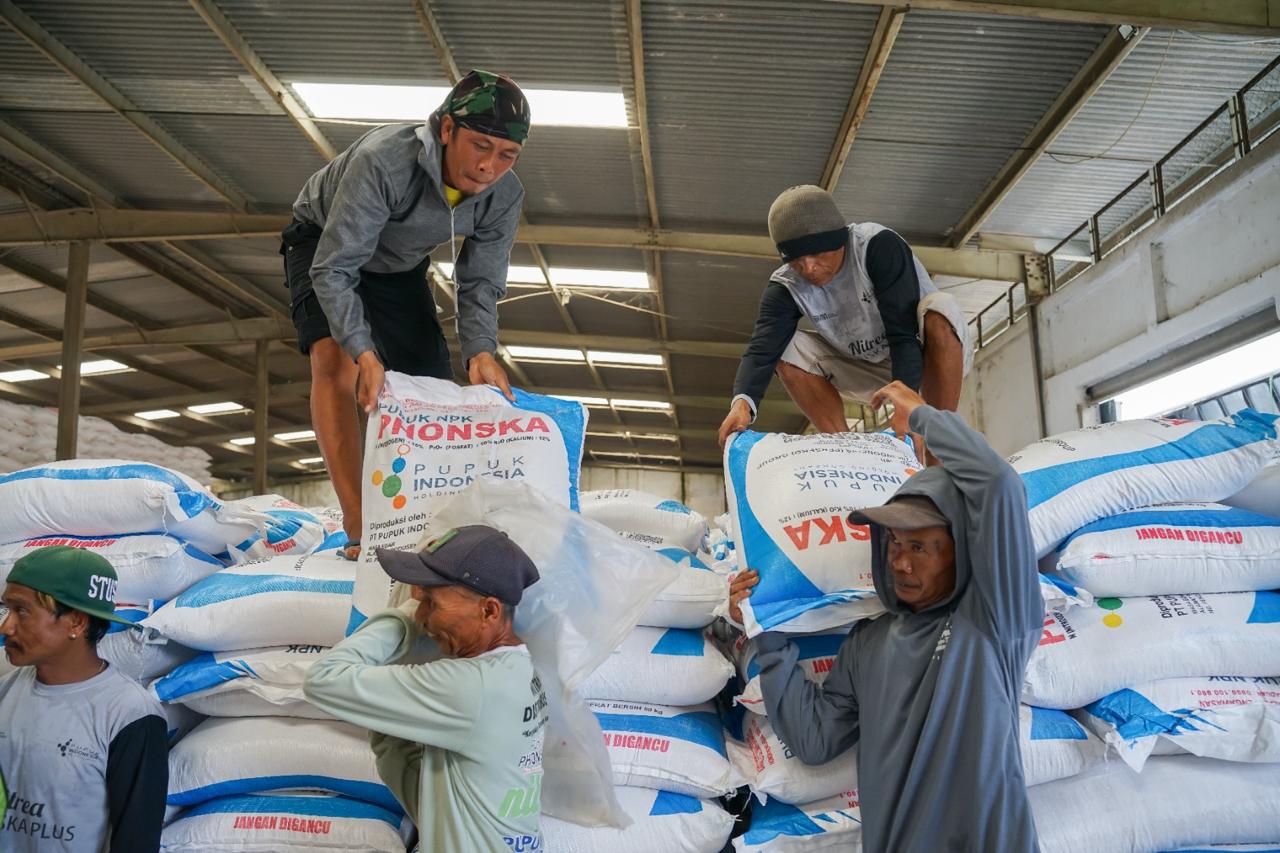
One of the most tangible roles of the fertilizer industry is to maintain the availability of products. Rahmad Pribadi emphasizes that Pupuk Indonesia must act as the national fertilizer stock guarantor, for both subsidized and non-subsidized fertilizers. Every year, millions of tons of fertilizer are distributed to various regions to ensure farmers can access it as needed.
Supporting Land Productivity
Indonesia faces the challenge of limited agricultural land. Therefore, agricultural output can no longer rely on land expansion, but must focus on intensification. Here, fertilizer plays a key role. With the right fertilizer, soil remains fertile, planting cycles can be accelerated, and yields can be significantly increased. Rahmad Pribadi views fertilizer as a key strategy to boost national agricultural productivity.
Types of Fertilizer and Their Functions
The fertilizer industry provides a variety of products to meet different plant needs:
Urea: Rich in nitrogen to stimulate vegetative growth.
NPK: Contains nitrogen, phosphorus, and potassium as a balanced nutrient combination.
Organic fertilizer: Improves soil structure and maintains long-term fertility.
ZA (Ammonium Sulfate): Contains nitrogen and sulfur, useful for increasing protein content in food crops and improving harvest quality.
Rahmad Pribadi also promotes innovation in developing more environmentally friendly fertilizers, including commodity-specific formulas. This ensures that fertilizers not only improve yields but also help preserve the environment.
Economic Impact of Fertilizer Industry Development
Beyond agriculture, the fertilizer industry also has a multiplier effect on the national economy.
● Job Creation
Fertilizer plants and distribution networks absorb a large workforce, both directly and indirectly. From factory workers and transporters to distribution agents, the fertilizer industry creates numerous job opportunities across regions—helping to stimulate the local economy.
● Export Potential and Foreign Exchange
Pupuk Indonesia is not solely focused on the domestic market but also has major opportunities to penetrate international markets. Indonesian fertilizer products—especially urea—have proven competitive. With the right development, fertilizer exports can become a key source of foreign exchange. Rahmad Pribadi emphasizes the need for business transformation to make Indonesia’s fertilizer industry increasingly competitive on the global stage.
● A Crucial Part of the Food Supply Chain
Without fertilizer, agriculture would struggle to produce optimal yields. This, in turn, would disrupt food supply. Therefore, the fertilizer industry is not merely a supporting sector but an integral part of the food supply chain. A strong fertilizer industry is vital for food sustainability.
Government Support and Pupuk Indonesia’s Role
Fertilizer industry development cannot proceed alone. The government plays a crucial role through policies and programs to support farmers' welfare, while Pupuk Indonesia handles operations and on-the-ground transformation.
● Subsidies and Retail Price Ceiling (HET)
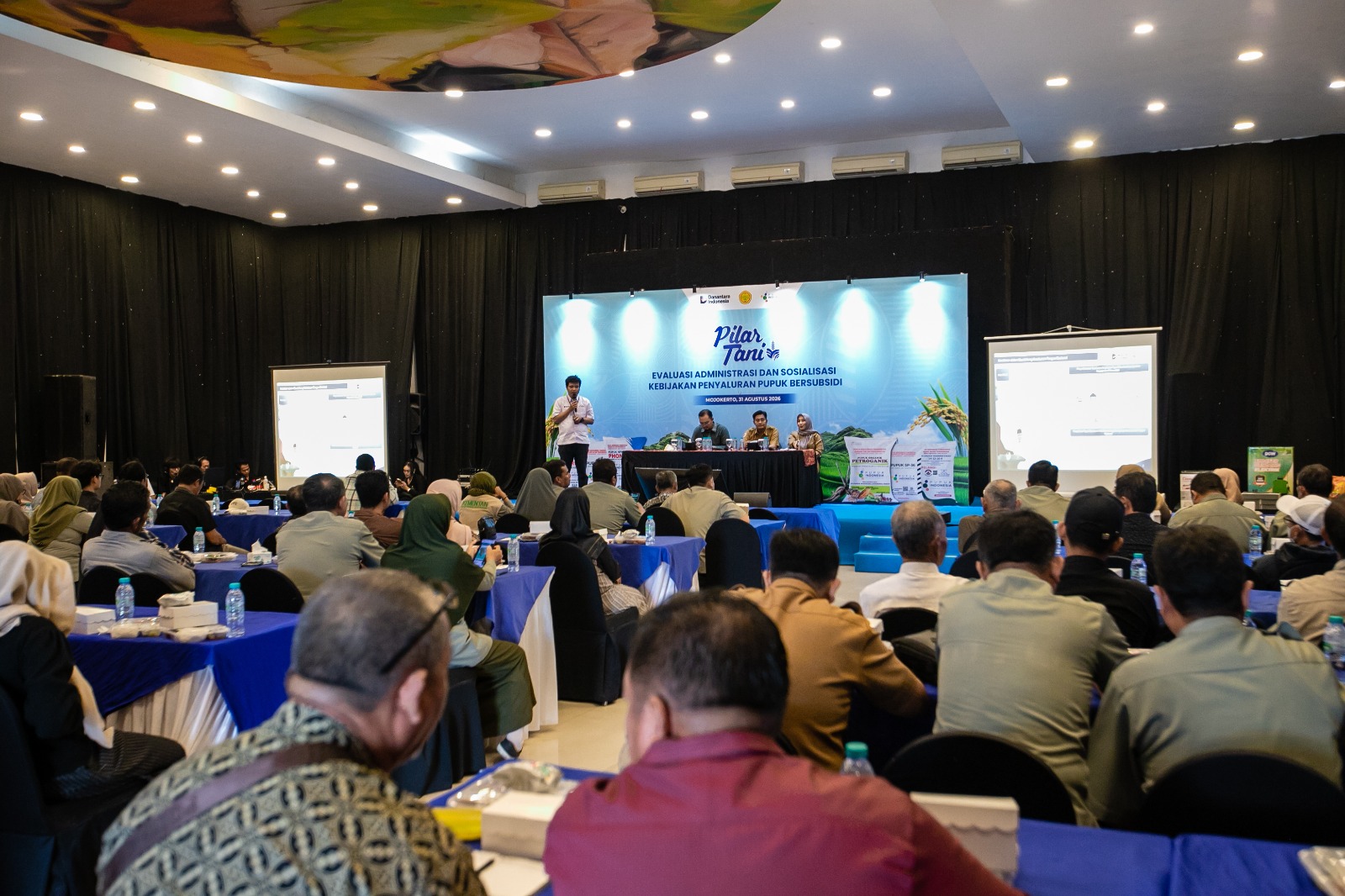
The government implements fertilizer subsidies so that small-scale farmers can access fertilizers at affordable prices. The Retail Price Ceiling (HET) is a key policy to ensure subsidized fertilizers remain within reach. In this regard, Pupuk Indonesia ensures the distribution of subsidized fertilizers is accurate and in line with allocations.
● Digital Distribution via i-Pubers
Pupuk Indonesia has launched the i-Pubers digital system to oversee fertilizer distribution. Through this application, distribution can be monitored in real-time, increasing transparency and minimizing the risk of misuse. This digitalization aligns with Rahmad Pribadi’s emphasis on technology-driven transformation.
● Digital and Green Industry Transformation
Beyond digitalization, Pupuk Indonesia is also moving towards becoming a green industry. Rahmad Pribadi encourages energy efficiency, use of renewable energy, and eco-friendly fertilizer innovations. This transformation ensures the fertilizer industry supports agriculture while also preserving environmental sustainability.
Rahmad Pribadi’s Concrete Actions in Fertilizer Industry Development
Rahmad Pribadi has implemented various concrete steps to support the development of Indonesia’s fertilizer industry, including:
1. Ensuring National Fertilizer Availability
The top priority is to prevent fertilizer shortages, especially during planting seasons. Pupuk Indonesia regularly maintains stock above the minimum requirement to ensure consistent supply.
2. Encouraging Product Innovation
Pupuk Indonesia develops fertilizers with more specific formulas, that are eco-friendly and tailored to land needs. These innovations not only improve productivity but also maintain soil fertility.
3. Transforming the Business for Global Markets
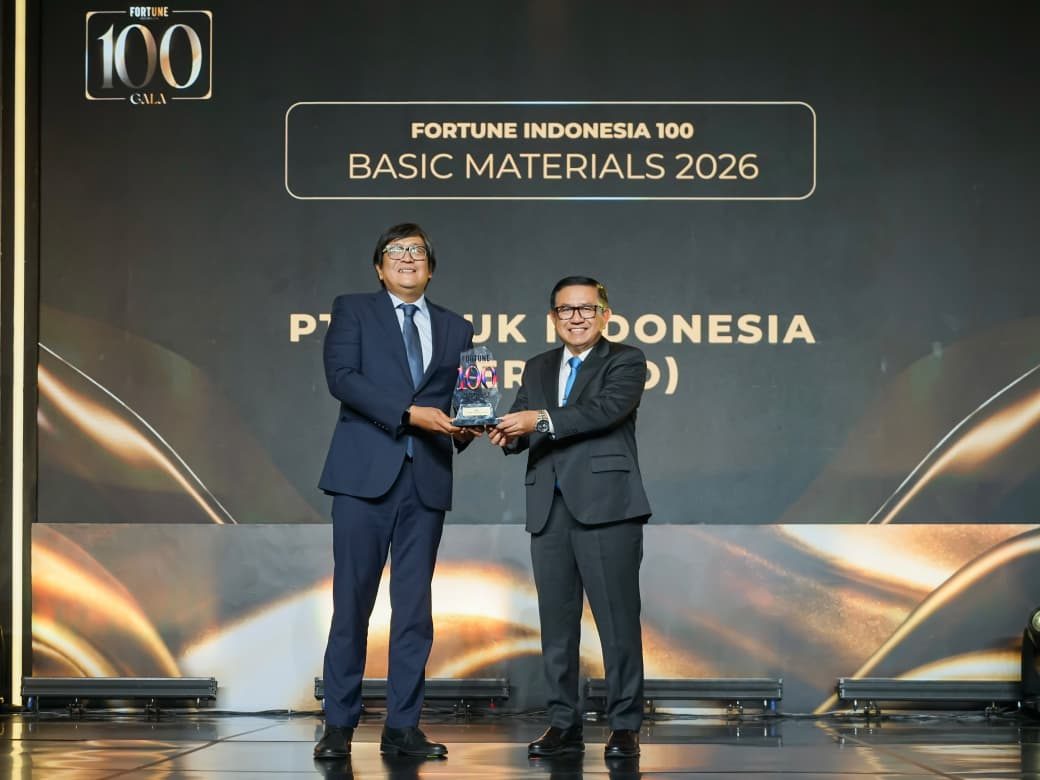
By enhancing production efficiency and improving governance, Pupuk Indonesia is being steered to become a globally competitive player. Based on profit performance, Pupuk Indonesia is the 5th largest fertilizer producer in the world. Continuous improvements in efficiency and governance can elevate its global standing.
4. Digitalizing Systems and Services
Technology is being used to improve distribution systems, strengthen supervision, and bring services closer to farmers.
5. Empowering Farmers
Through various farmer assistance programs, Rahmad Pribadi affirms that Pupuk Indonesia is not just a fertilizer producer, but a partner to farmers in building more modern, productive, and prosperous agriculture.
Fertilizer is an essential factor in supporting modern agriculture. Without it, land productivity is hard to improve, and food supply becomes threatened. Therefore, the development of the fertilizer industry is a national priority for Indonesia.
Rahmad Pribadi ensures that Pupuk Indonesia not only guarantees fertilizer availability, but also fosters innovation, digitalization, business transformation, and farmer empowerment. Under his leadership, the development of the fertilizer industry has become a strong foundation for national food security and a driver of economic growth.